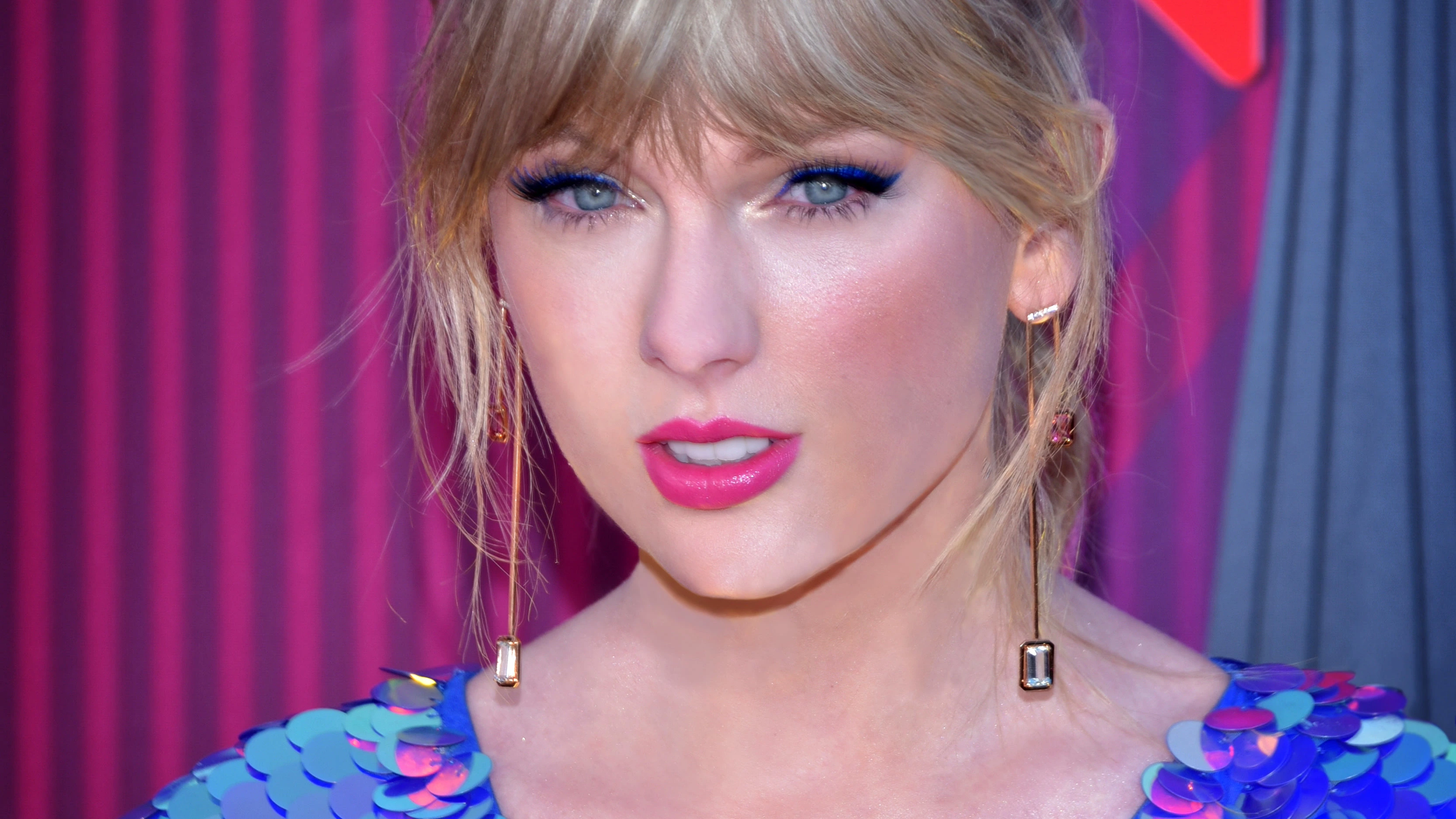
July 2023 — Philadelphia Fed Beige Book. Most of the report reads like every other Beige Book: slowing leisure travel, flattening guest spend, a recovery that had lost altitude. Then one contact drops a sentence that should not live in a document written for the Federal Open Market Committee: May had been Philadelphia’s strongest hotel-revenue month since the pandemic began, “in large part due to an influx of guests for the Taylor Swift concerts in the city.”
That was not the Fed “breaking.” It was better — and rarer. A central-bank anecdote named a musician the way it usually names a sector. The Eras Tour had become loud enough in the hospitality data that a regional contact could not explain the spike without saying her name.
Three years later, with Forbes putting Swift at roughly $2 billion (March 2026) and calling her the richest female musician on record, the interesting question is not whether she is rich. It is how the money moved: stadium economics → city-level demand shock → catalog ownership → a labor moat most touring acts never bother to build.
A demand shock with a setlist
The Eras Tour ran 21 months and ended in Vancouver on December 8, 2024. Taylor Swift Touring confirmed the final tally to the New York Times and Billboard: $2,077,618,725 in ticket sales and 10,168,008 tickets across 149 sold-out shows — the first tour to clear $2 billion, and roughly double the gross of any other tour on the books at the time.
Ticket gross is the easy number. The harder one is what fans spent around the show. Mid-2023, market-research firm QuestionPro surveyed roughly 600 verified concertgoers and found average spend near $1,300 per show (tickets, travel, lodging, outfits, merch, food). Extrapolating that pace, QuestionPro projected about $5 billion in North American economic impact early in the run; when the tour closed, the firm raised its North America consumer-spend estimate toward roughly $6.5 billion across 2023–2024. Treat those as survey-based projections — not Fed GDP accounting — but they explain why local hotel associations and chambers of commerce started publishing Swift weekends like Super Bowl weekends.
| Local signal | What was reported | Why it matters |
|---|---|---|
| Philadelphia hotels (May 2023) | Strongest revenue month since pandemic onset — Beige Book contact cites Swift shows | Central-bank anecdote, not a model rewrite |
| Cincinnati hotels | ~98% occupancy; room rates and revenue roughly doubled vs prior-year weekends | Mid-size markets felt stadium economics |
| Chicago concert weekend | Record hotel revenue reported around $39M | Hospitality, not just tickets |
| Los Angeles (six shows) | Local estimates ~$320M economic impact / thousands of jobs | Multi-night runs compound spillover |
| Denver (two shows) | Colorado GDP add reported near $140M | Even short stops move measurable spend |
Economists borrowed the phrase demand shock for a reason. For a weekend, Swift’s calendar did what monetary policy cannot: pull discrete, high-intent spending into hotels, rides, restaurants, and retail on a schedule printed months ahead. The Fed did not put her in a DSGE model. It did something more revealing — a contact could not describe the data without naming her.
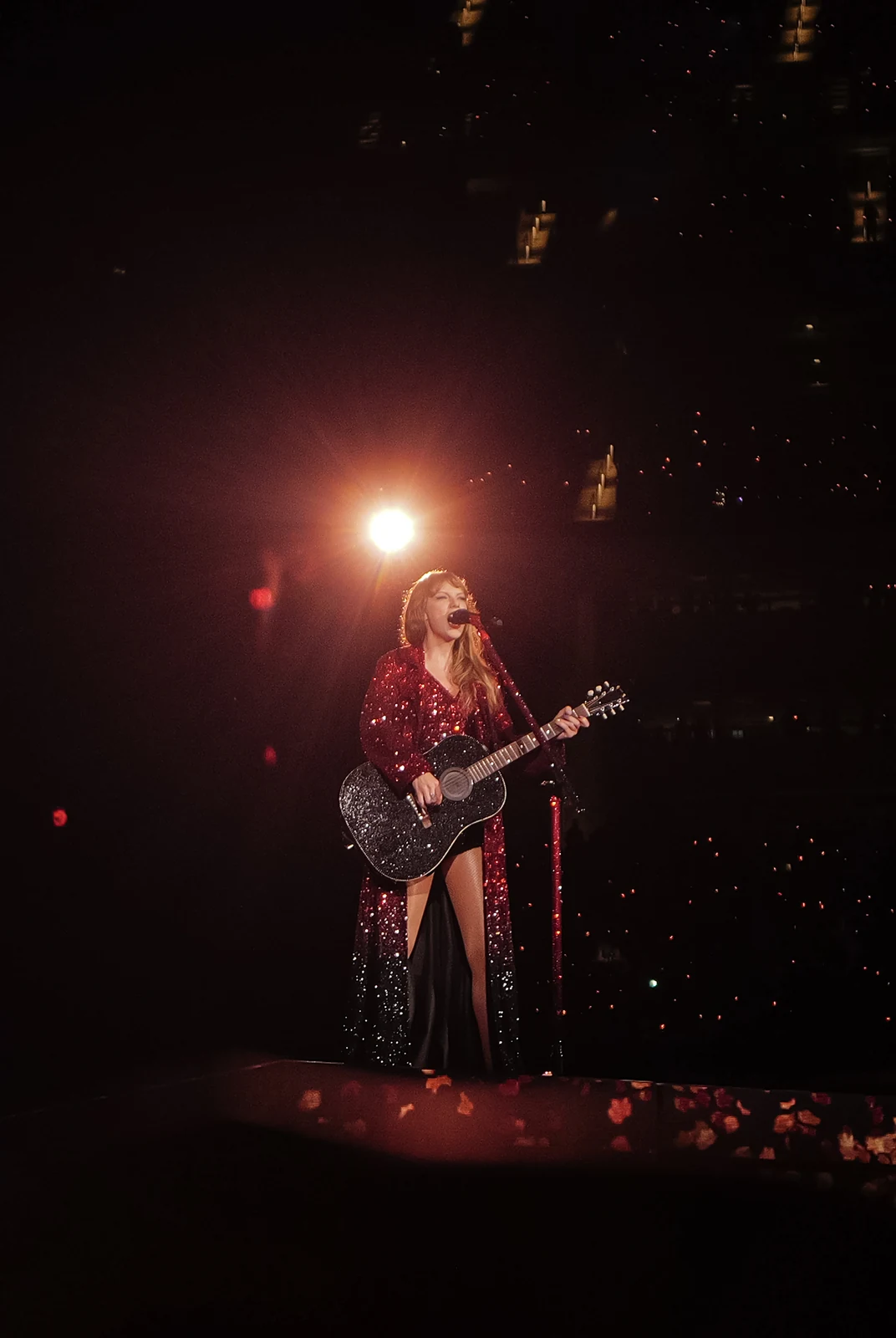
The $2 billion fortune that stayed mostly music
Forbes lists Swift at about $2 billion as of March 2026 and still describes her as the first musician to reach billionaire status primarily from songs and performances — not a cosmetics empire. That is the anomaly. Rihanna’s wealth is inseparable from Fenty. Jay-Z’s from spirits and equity stakes. Swift’s stack is touring cash, royalties, catalog value, and a relatively small real-estate slice (Forbes has cited on the order of ~$110M).
She reached billionaire territory during the Eras run (Forbes dates the milestone to late 2023). By March 2026 the estimate had roughly doubled from the early billionaire prints — less “pop star gets rich,” more “owner of a cash-flowing IP system keeps compounding.”
The selective endorsement roster (Capital One, Apple Music, Diet Coke among the durable ones) is part of the same scarcity logic: fewer logos, higher price per association. When she endorsed Kamala Harris in September 2024, coverage spiked precisely because she does not spray endorsements across every category. Scarcity is a pricing strategy wearing a cardigan.
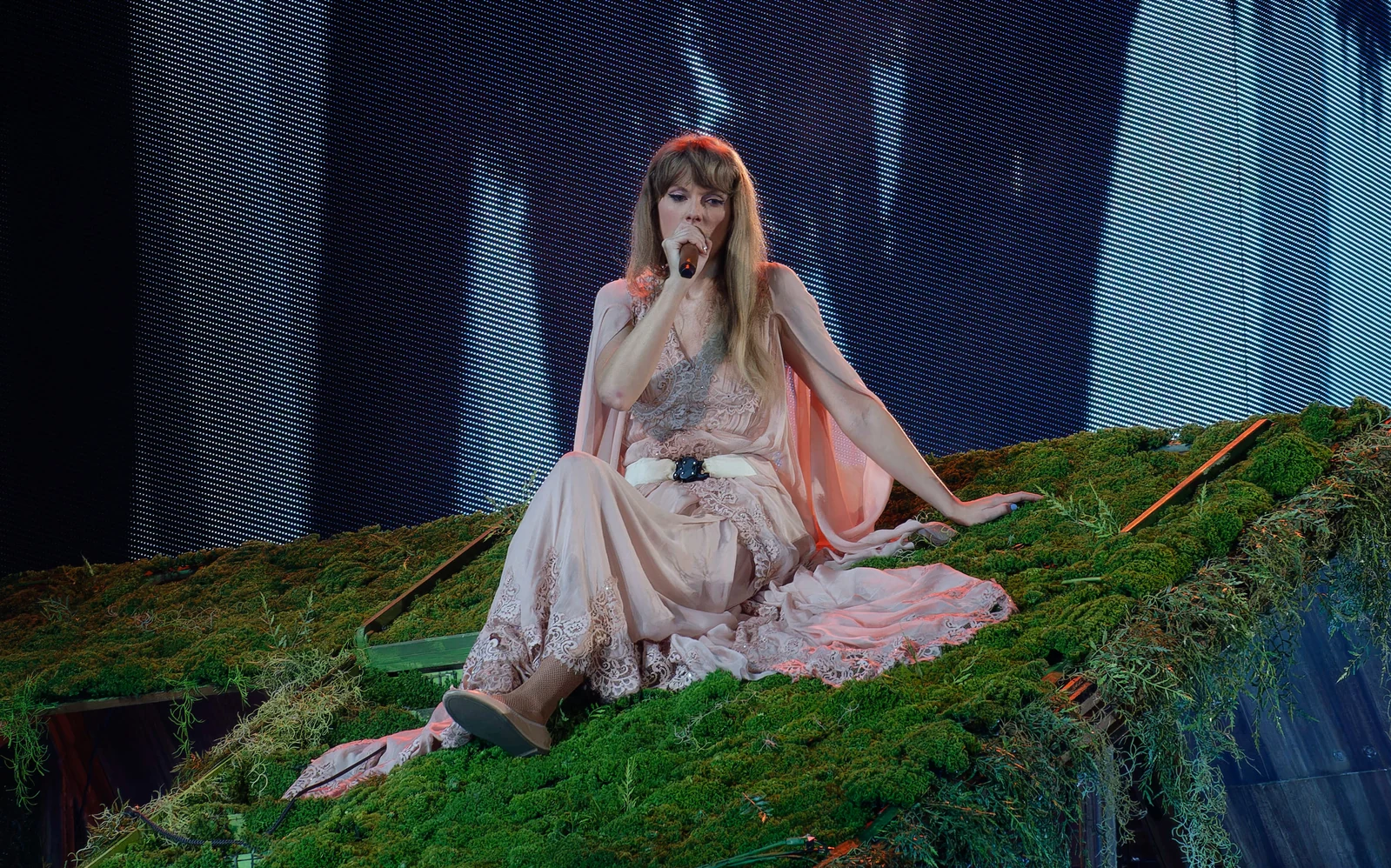
The re-recording campaign was a balance-sheet move
In 2019, Scooter Braun’s Ithaca Holdings bought Big Machine Label Group — and with it the masters to Swift’s first six albums — for a widely reported ~$300 million. Swift did not win that auction. She did something more expensive and more durable: she re-recorded the albums as Taylor’s Version, added vault tracks, and redirected streaming and licensing attention toward versions she owned.
Shamrock Capital acquired the original masters from Braun’s camp in late 2020; Billboard sources later put Shamrock’s buy near ~$360 million. On May 30, 2025, Swift announced she had purchased those masters back from Shamrock. The price was not officially disclosed. Industry sources told Billboard she paid an amount close to what Shamrock had paid — commonly reported around $360 million. Treat the number as sourced reporting, not a signed SEC filing.
The re-recordings were art. They were also a hostile tender for listener attention. By the time private equity sold the originals back, Swift had already trained the market to prefer the versions she controlled — then used tour cash to close the ownership gap. That is not a fairytale about “getting her music back.” It is a six-year capital allocation story.
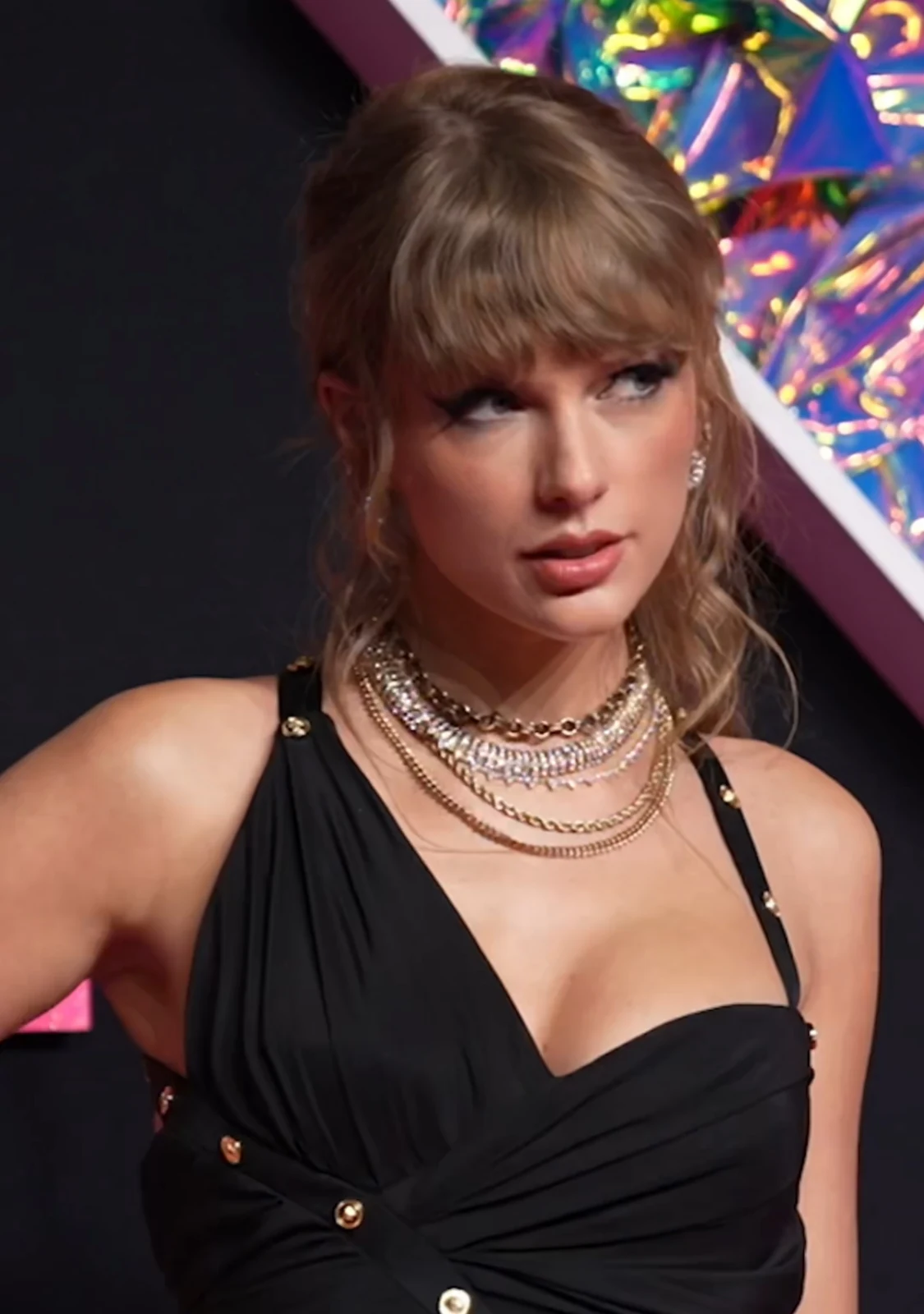
The $197 million labor moat
As the tour closed, PEOPLE reported Swift had distributed $197 million in bonuses across the Eras crew — truck drivers, caterers, dancers, techs, security, wardrobe, the full traveling machine (after an earlier ~$55M tranche reported at the end of the first North American leg in 2023).
Call it generosity if you want. Also call it recruiting. Top touring labor is a thin market. Paying at that scale makes the next production easier to staff and harder for rivals to poach. In an industry where stadium acts often keep a minority of gross after promoters, production, and venues take their cut, Swift’s vertical control of merch and touring logistics is the less-glamorous half of Swiftonomics: keep more of the dollar, then share enough of it to lock in the people who make the dollar possible.
What to watch: not the next viral outfit. Watch whether other top-tier acts copy the ownership sequence — re-record or renegotiate → harvest live cash → buy the catalog — and whether city economic-development offices start underwriting stadium calendars the way they underwrite sporting events. If “artist as demand shock” becomes a planning category, Swiftonomics stops being a nickname and becomes municipal policy.
Fact notes: Beige Book language is from the Federal Reserve’s July 12, 2023 release (Philadelphia district). Tour gross/attendance: Taylor Swift Touring via NYT/Billboard. Impact ranges: QuestionPro survey projections (not official GDP). Masters price: undisclosed; ~$360M reflects Billboard-sourced reporting. Net worth: Forbes estimate. Local city figures: contemporaneous hotel association / local-media / economic-impact studies as summarized in secondary academic and press roundups — point estimates, not audited national accounts.