
Google just told us the world wants to log off. Not an activist. Not a wellness influencer. The search engine that runs on our attention says the most attention-saturated generation in history is trying to put its phone down.
Search interest in "how to digital detox" is up 110% since the start of 2026. "Touch grass" has become a breakout query. "Meaning of touch grass" is up 90%. And in the past month, people have been searching "how to find local run clubs" and "how to make friends at run club" like their social life depends on it - because, apparently, it does.
This isn't a mood. It's a measured, cross-platform, cross-country cultural U-turn. Here's what the data actually says - and why it matters more than the next app update.
Run clubs are the new nightclubs
Let's start with the most visible symptom: everyone is running in groups now.
"Run club" and "how to start running" both hit all-time-high search interest in 2026, according to Google's own Trends analysis. "Walking club" reached a 10-year high. "Adult tennis lessons" and "hiking" are being searched more than ever before. Strava's 2025 Year In Sport report found the number of clubs on its platform nearly quadrupled to over 1 million - and its subscribers now spend "1 hour active for every 2 minutes on the app."
Here's the thing people miss: nobody joins a run club because they love running. You can run alone for free, at home, on a treadmill, with zero coordination. Run clubs are running as an excuse to be around other people. The workout is the cover story. The real product is proximity - strangers showing up at the same park at 6am on a Tuesday, because the internet stopped being enough.
And the run club is just the gateway drug. Once you're off the feed, the search data shows people go looking for a whole second life:
- Mahjong for beginners: +230% in a year. "Mahjong lessons near me" has doubled since January.
- Chess classes near me: doubled in the past month alone.
- Floral arranging classes: up 850% in the past month. Yes - eight hundred fifty.
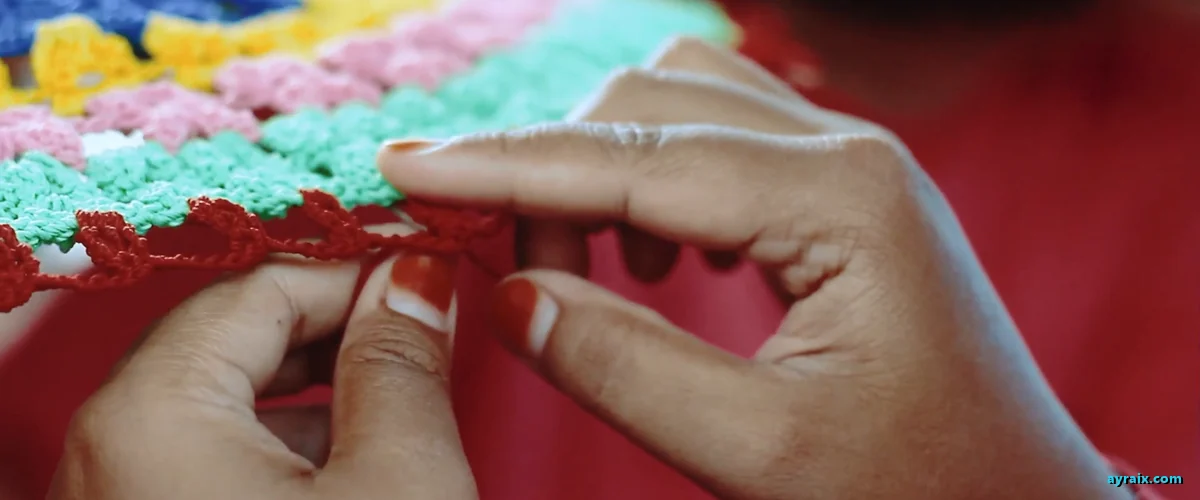
- Needlepoint is the top trending beginner craft kit. "How to start a cross stitch pattern" and "is knitting or crochet easier" are breakout searches.
- Search interest in "how to make my own" hit an all-time high this year - people don't want to buy it, they want to make it.
The hobbies are called "grandma hobbies" for a reason. Knitting. Crocheting. Cross stitch. Mahjong. Board games. Gardening. The most online generation in history is rebuilding the offline social infrastructure their grandparents had by default - and they're doing it with the obsessive intensity of people who had to rediscover it.
The phone-free event boom
It's not just hobbies. It's the place where people spend their time.
Eventbrite's 2026 data shows phone-free events jumped 567% globally between 2024 and 2025 - and attendance in the US is up 913% year over year, with the UK up 1,441%. These aren't retreats for monks. They're picnics, potlucks, block parties, and park meetups where the entry requirement is: put the phone away.
Eventbrite's data team calls summer 2026 "The Offline Summer" - and the numbers back it up:
- More than 600,000 people attended block parties on Eventbrite in the US last year alone.
- 2026 farmers markets are up 18% and community gardens up 13% - before peak season even hit.
- Neighborhood planting days are exploding: San Antonio +630%, Indianapolis +67%, Los Angeles +52%.
- Open-air shared meals are the new radical act: Washington +454%, Boston +258%, Phoenix +120%.
The cultural shorthand has already arrived. When Bad Bunny built a little casita - a front porch - at the center of his Super Bowl halftime show, 130 million viewers felt the pull of it. When the Knicks made their playoff run, fans spilled out of apartments into bodegas and blocked-off street corners to watch projector viewings together. The fantasy isn't fame anymore. It's a porch.
Why now? The economics of loneliness
Here's the uncomfortable part: this isn't happening because everyone got enlightened. It's happening because the bill for digital life finally came due.
Average daily screen time has climbed to 5 hours and 16 minutes - up 14% year over year - and 53% of Americans now say they want to cut back. Nearly half of US Gen Z (47%) say they're actively trying to reduce screen time, versus 32% of older adults. Even schools are moving: districts that banned phones report an 80% decline in classroom phone use and measurable improvements in well-being (National Bureau of Economic Research).
But the deeper signal is in the loneliness math:
People didn't just get tired of the feed. They got tired of eating alone. Of feeling surrounded by content and starved of context. Of "posting" instead of being. 57% of Americans say they crave more outdoor time than ever; 73% say they feel measurably more relaxed within an hour of stepping outside. The 18-35 crowd - the generation that grew up online - is now the one saying 89% of them want events that make them feel connected to their local community.
Proximity is the new status symbol. Neighborhood identity is the new personal brand.
Think about what you're scrolling for right now. Connection, mostly - likes, replies, a sense that people see you. Now imagine the algorithm shut off and the park was right there. That's what the data is describing: an entire generation realizing the feed was the map, not the territory.
The 1996 blueprint
Here's the detail that makes historians smile: 1996 was the last summer of mass offline social life by default.
Fewer than 260,000 websites existed worldwide. AIM was still a year away. Showing up unannounced at a friend's house was a legitimate plan. Most of the people now leading the touch-grass movement were never alive for it - 37% of Gen Z report nostalgia for the 1990s specifically, a decade they never experienced - yet it's the era they're recreating, block party by block party, run club by run club.
The Zomato "Touching Grass 2026" report from India captures the mood with a phrase that's spreading globally: a "revolt against the rot." Young Indians are abandoning digital display in favor of what the report calls a "going-out credit score" - proof-of-life through experiences rather than posts. 83% prefer trainer-led community fitness classes. 40% of dining out now happens on weekdays, because the weekend-grid social calendar no longer defines when life happens. Friction is back in fashion: queueing for dessert, waking up at 5:30am for a run club, trekking to a campsite - because it demands presence.
This is the tell. Friction was the thing the internet promised to eliminate. And it turns out friction is exactly what makes an experience feel real. The edited, filtered, instantly-available life turned out to be the one nobody wanted to live.
What this means for the next five years
Strip away the nostalgia and the trend pieces, and the data describes something structural, not seasonal:
1. Real-life infrastructure is being rebuilt from scratch. Run clubs, community gardens, farmers markets, neighborhood planting days, board game nights - these are the offline civic infrastructure the internet didn't replace, it deferred. It's all coming back, at once, everywhere.
2. The phone is being demoted from stage to tool. People aren't quitting technology; they're renegotiating its place. Screens will remain, but they're no longer the main stage for identity. The Zomato report's advice captures the new default: "close the tab, reserve the table, take the walk, stay longer than planned, talk to strangers, and let it be real."
3. The winners will be the proximity providers. The services, brands and platforms that survive the great log-off will be the ones that route people into physical space - that turn a search into a run club, a scroll into a pottery class, a like into a porch. The digital world's best future is as a matchmaker for the real one.
The algorithm didn't change. You did.
Google's search data isn't reporting a trend - it's reporting a decision. The most connected generation in history has looked at the feed, checked the loneliness math, and chosen the park. The question now isn't whether the log-off is real. It's whether you'll still be online when the world logs back in.
Engage · poll
Be honest: when was the last time you touched grass?
The search data says the log-off is real. Do you live it, or watch it happen?
No account needed - pick a take, see how readers align.
TL;DR: Digital detox searches +110%. Run clubs, walking clubs, tennis, hiking at all-time highs. Mahjong +230%, floral arranging +850%. Phone-free events +567% globally. Eating alone +53% since 2003. The most online generation in history is touching grass - and the data says it's the biggest cultural turn since the internet showed up. Proximity is the new status. The porch is the new feed.
Check yourself
Which search trend does Google's own data show in 2026?
How much did phone-free events grow globally between 2024 and 2025?
What does the "revolt against the rot" describe?
Related
Sources
Every data point in the video and article traces to these primary sources.
- Google / The Keyword. Google Search data shows an increase in "touch grass" trends. July 2026. (Digital detox +110%; touch grass breakout; meaning +90%; run club/walking club all-time highs; mahjong +230%; floral arranging +850%; "how to make my own" all-time high.)
- Eventbrite. Welcome to The Offline Summer. June 2026. (Phone-free events +567% global, US +913%, UK +1,441%; 600K+ block party attendees; farmers markets +18%; community gardens +13%; screen time 5h16m +14%; 53% want to cut back; 89% of 18-35s want local community events; eating alone +53% since 2003; 57% crave outdoor time; 73% relaxed within an hour.)
- Strava. Year In Sport Trend Report 2025. December 2025. (1M+ clubs, nearly quadrupled; "1 hour active for every 2 minutes on the app.")
- eMarketer / Ad Age. Gen Alpha and Gen Z are trading feeds for real life. May 2026. (47% of US Gen Z reducing screen time per YouGov; NBER school phone ban study: 80% decline in classroom phone use.)
- Zomato / District. Touching Grass 2026: How India Will Go Out. February 2026. (83% prefer community fitness; 22% attend concerts solo; 40% weekday dining; "going-out credit score"; "revolt against the rot.")
- Newsweek. Google's Search Data Tells an Unexpected Story About America. August 2026. ("We are logging on to figure out how to log off.")
- World Happiness Report 2025. Commensality and life satisfaction. (Communal dining tied to life satisfaction as strongly as income or employment.)