Demo to production, the gapFrom Community editorial
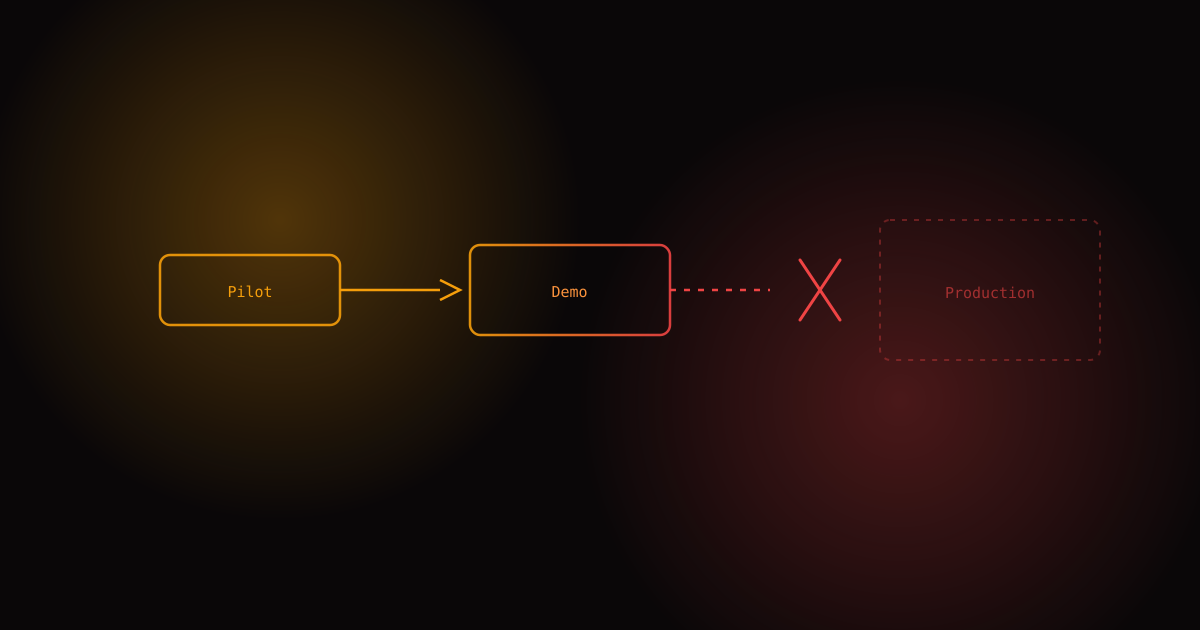
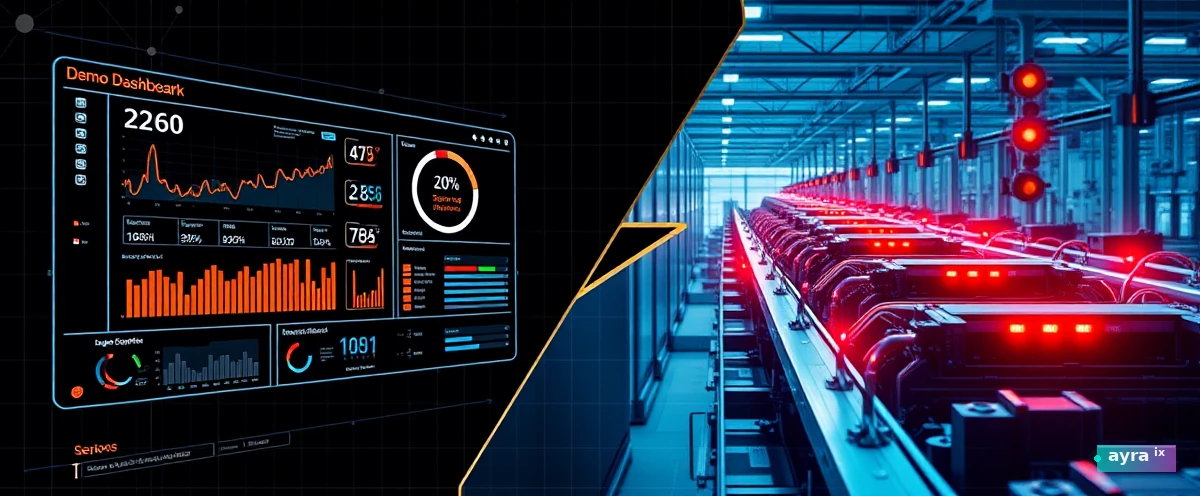
What happened: Across 40+ enterprise AI implementations we tracked this cycle, the pattern repeats: a working demo ships in weeks, then the project stalls for months before (or instead of) reaching production. The blocker is almost never model quality.
Why it matters: Teams keep optimizing the thing that already works (the model) while ignoring the things that actually kill projects — data access approvals, unclear ownership after the pilot team moves on, and no plan for what happens when the model is wrong.
40+Implementations tracked this cycle
4Recurring blockers, same pattern each time
~0Stalls actually traced to model quality
The four recurring blockers
Data access
The demo used a curated export; production needs live access nobody pre-approved.
Ownership gap
The pilot team ships and moves on — no one owns monitoring, retraining, or incident response.
No failure plan
Demos assume happy-path inputs; production needs a fallback when the model is wrong or unavailable.
Success metric mismatch
The demo optimized for "wow," production needs a metric finance actually tracks.
Which blocker hits hardest
Share of stalled pilots citing each blocker, directional
Ownership gap79
Data access71
No failure plan64
Metric mismatch52
Who should care
Leaders who greenlit a pilot and are wondering why it hasn't shipped
Platform teams inheriting a demo with no productionization plan
Our take
Write the failure plan and the ownership handoff before the demo, not after.
The organizational work is unglamorous but it's the actual bottleneck — not the model.
More from AI Hub
Stay with us · poll
What do you think is the biggest challenge in moving AI demos to production?
Based on the insights from the article, which of these issues do you believe poses the greatest challenge when transitioning an AI demo to a production environment?
No account needed — pick a take, then keep reading. We rotate these prompts so each piece feels like a conversation, not a clone.