The room
A storm, and a box that should have stayed shut
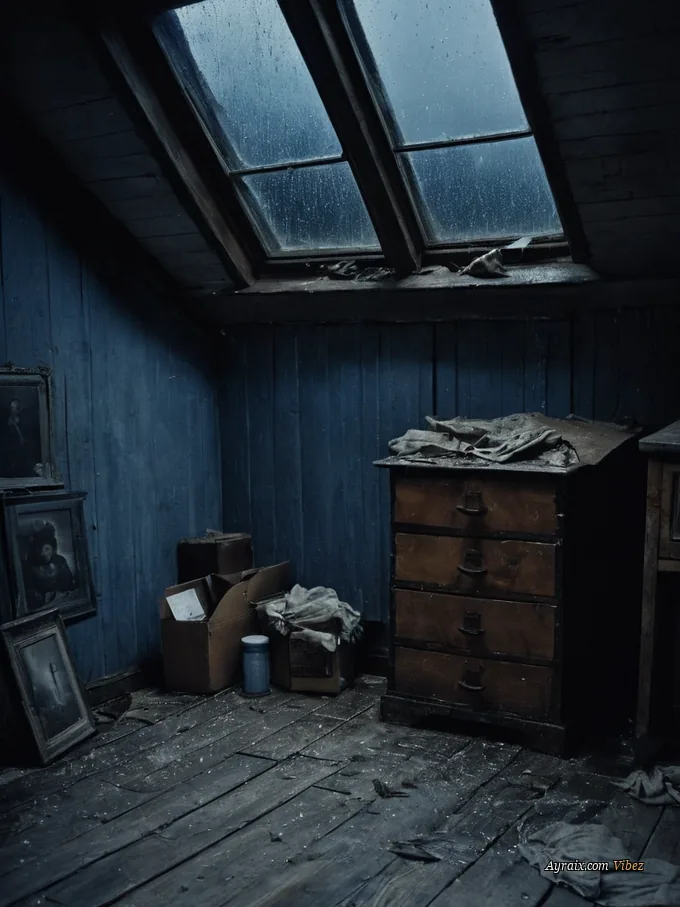
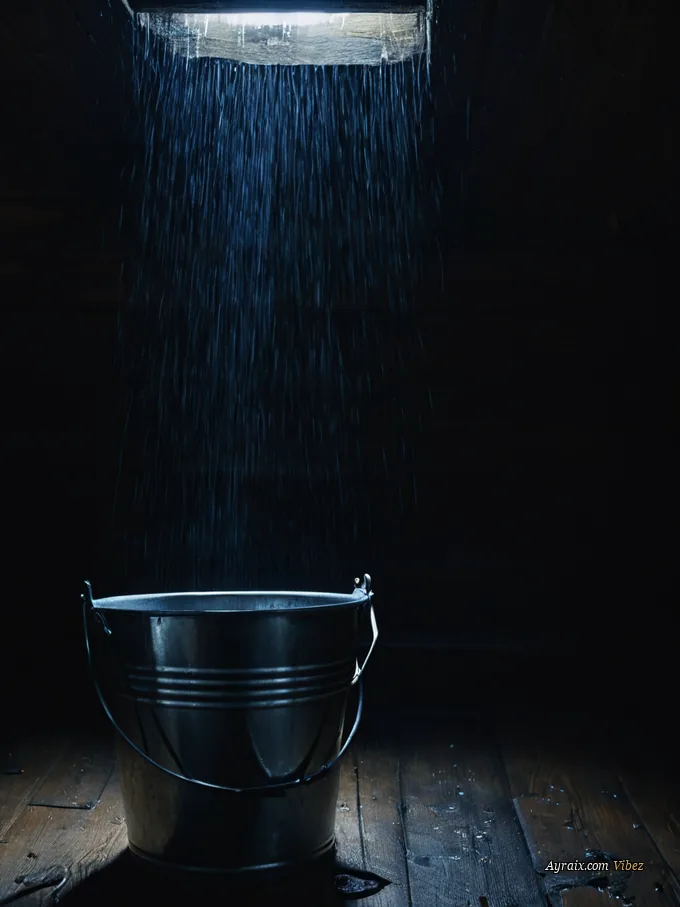
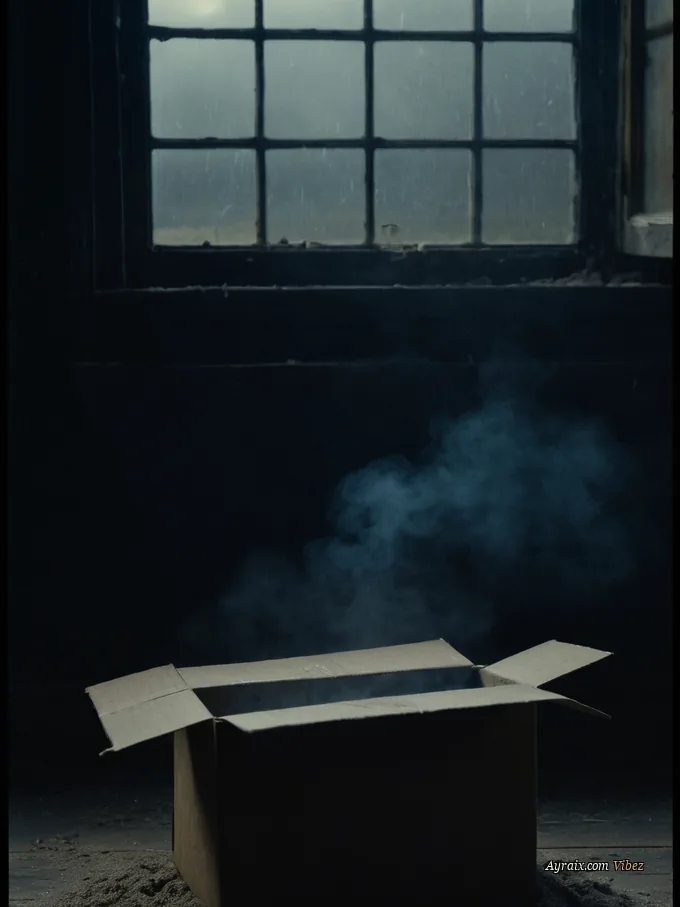
The song opens where nobody goes on purpose. An attic, mid-storm, the roof letting water through. It puts you in the room before it tells you anything — and the room is already a statement, because a roof only gets that bad when nobody is looking after the place.
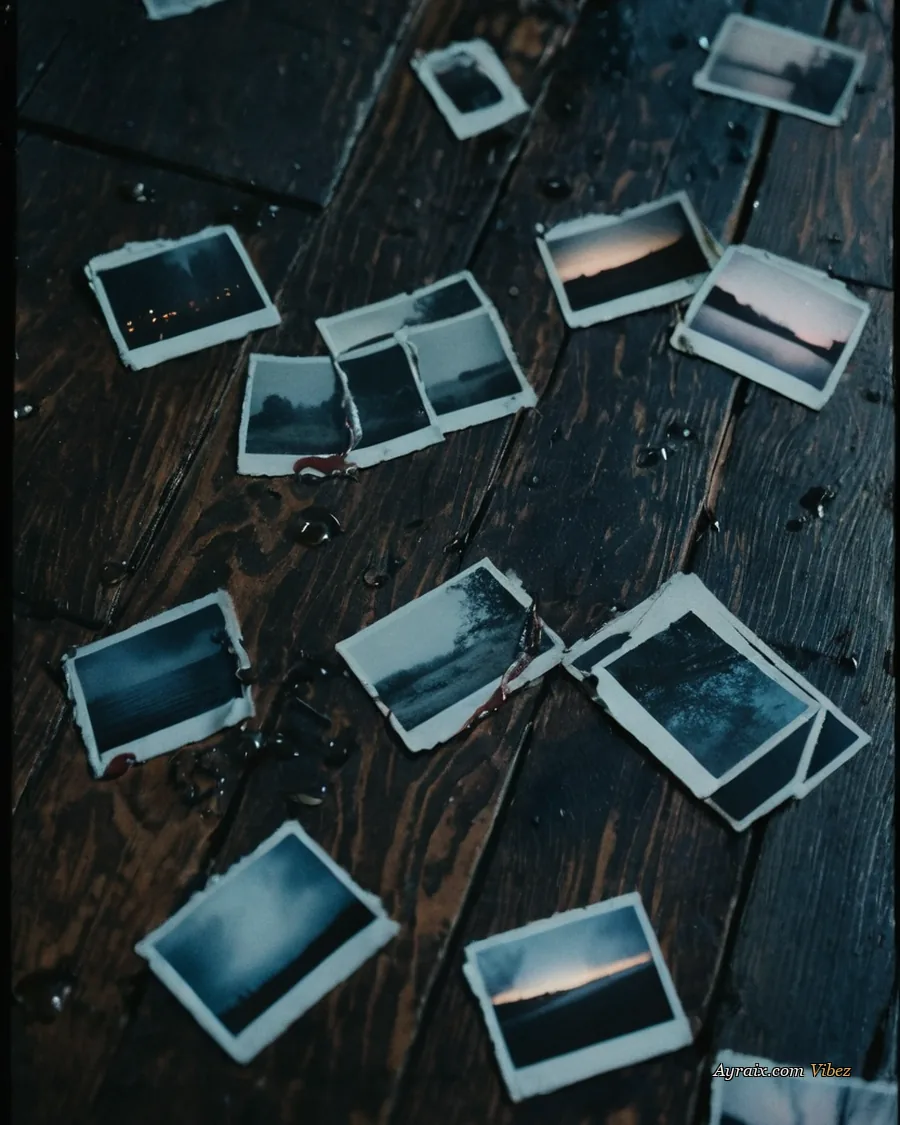
What is up there is a box of photographs from 2017. Everyone in them is broke. Everyone in them is still around. That is the entire setup, and the rest of the record is simply what happens when a man looks at those pictures with the life he has now.
The chorus
Two kinds of cold
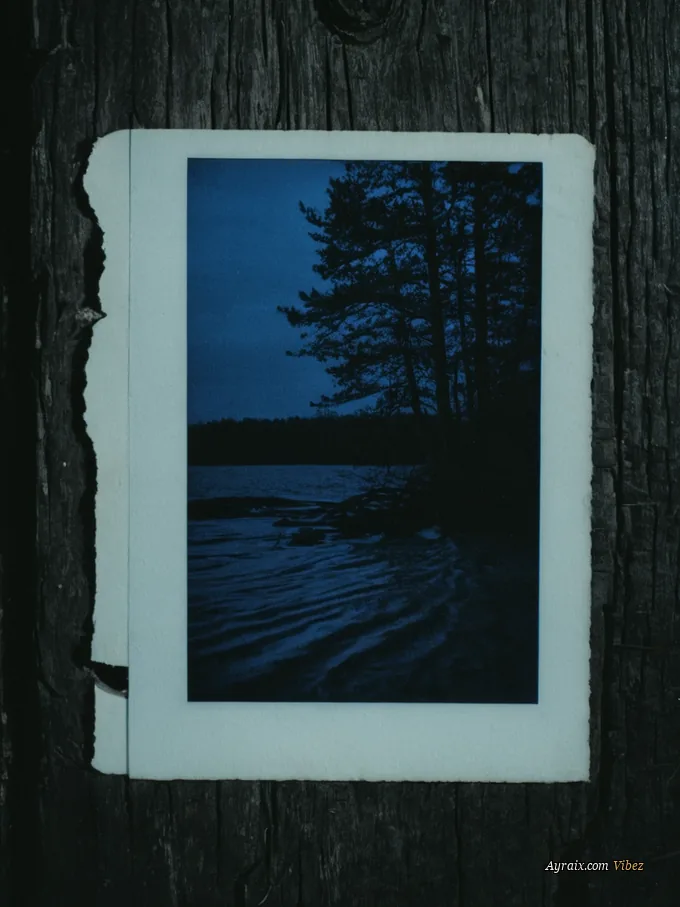
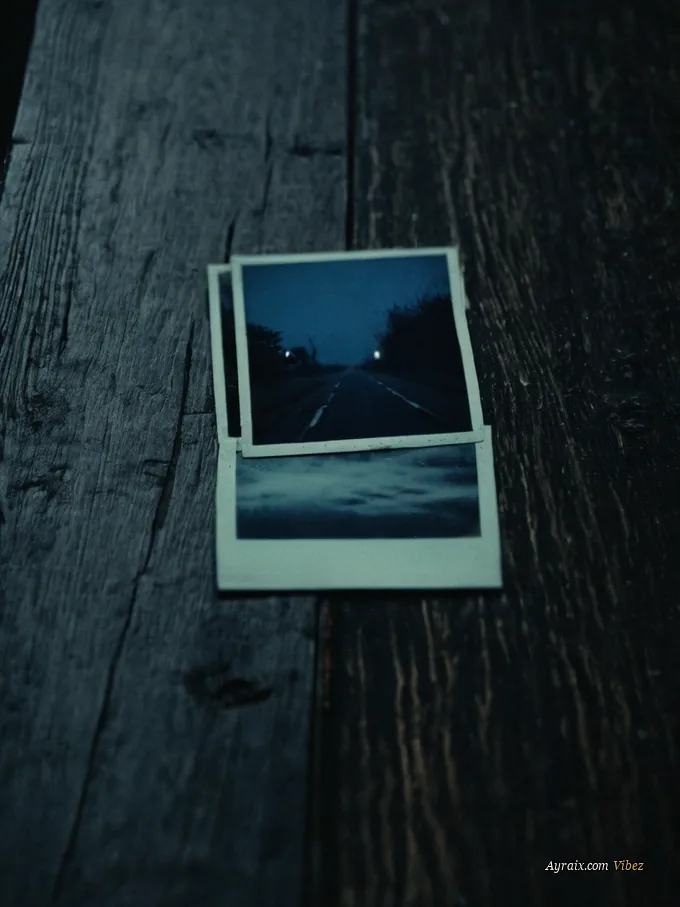
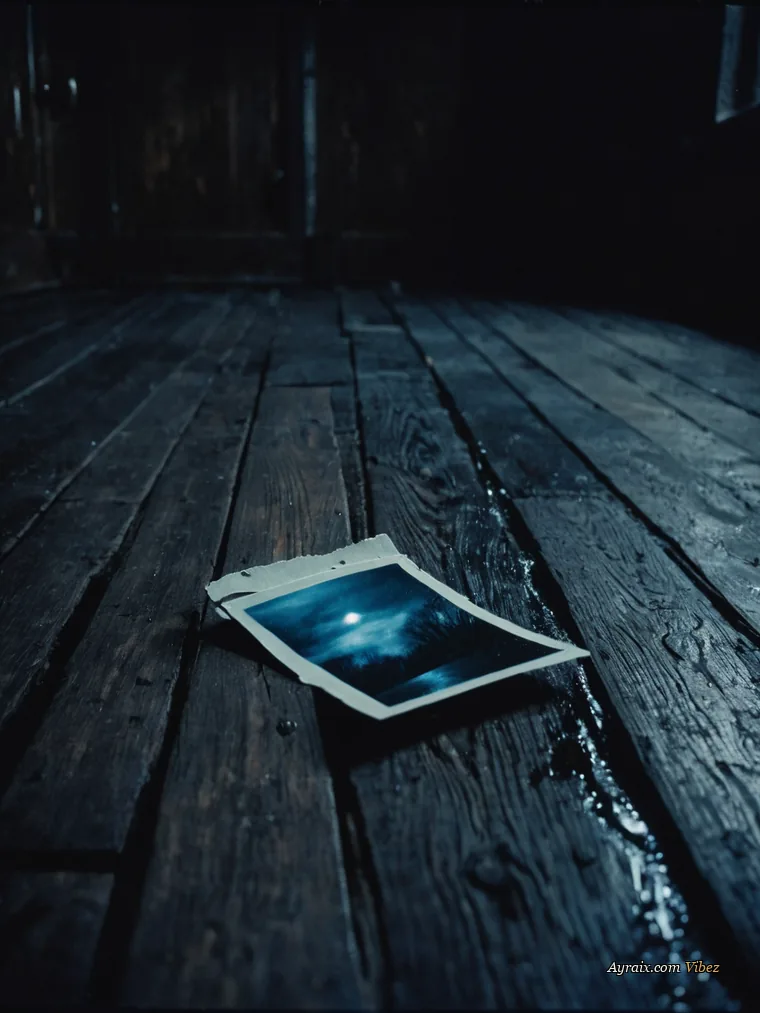
The hook runs on one image: photographs in a hand, and the colour going out of them. Decay you can actually hold. The friendship did not end in a fight — it faded, which is worse, because there is no moment to point at and no argument to win.
The sharpest move in the writing is “ice”. It is the jewellery he can finally afford and it is the numbness that arrived alongside it. Both readings are true at once and the song never separates them. The wealth and the coldness are the same substance.
“we used to be brothers, where you been?”
Verse one
Laughing broke, versus hiding rich
The first verse is built on a comparison that gets less comfortable the longer you sit with it. Then: no money, and a room full of people laughing. Now: designer labels worn specifically so that nobody looks too closely.
The friend who stood beside him when there was nothing to gain turned once there was something. That is the accusation at the centre of the record, and the song is honest enough to admit it has no explanation for it. It happened, and he watched it happen, and he still cannot account for it.
Everything he was chasing arrived. The part of him that could enjoy it had already shut down.
Verse two
The damage, itemised
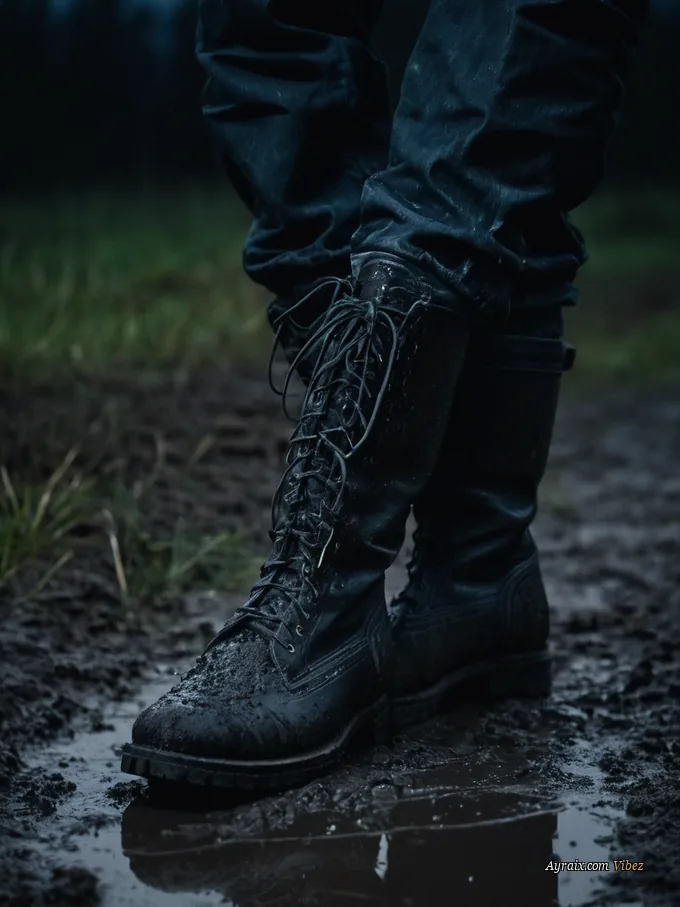
Where the first verse compares, the second one counts. Torn photographs. Expensive things ruined in the mud. The old proverb about blood being thicker than water turned inside out and handed back — because the bond that was supposed to be unbreakable is precisely the one that broke.
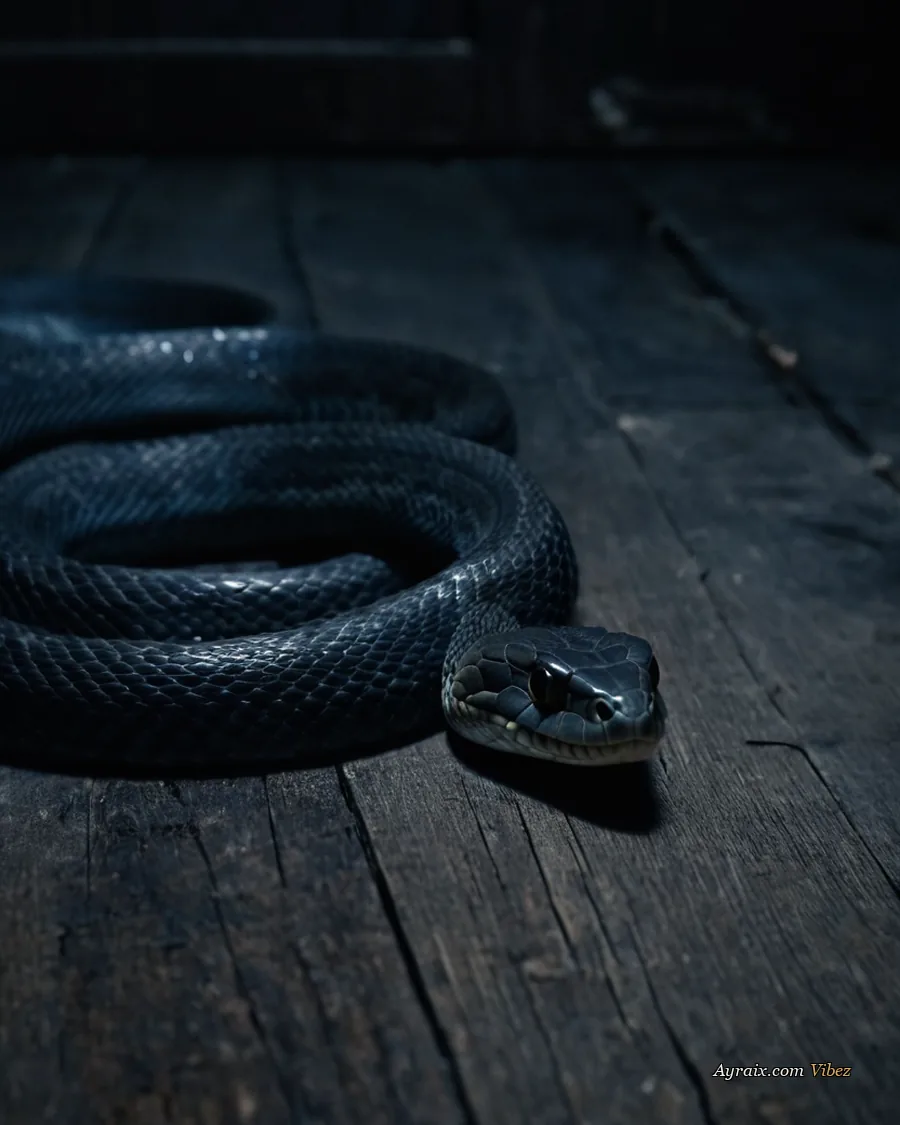
The snake is the other person. But the song lets the image cut both ways: a warning about what betrayal costs the betrayer, too. It never resolves which reading is correct, and it is stronger for refusing to.
The world outside
Three rooms he ends up in
By the back half the song stops arguing and starts describing. Each image is a place the money took him and left him.

The outro
It doesn’t resolve
There is no reconciliation and no lesson. The track dissolves back into the weather it started in and leaves him where it found him — upstairs, with the dust, holding pictures of people who are not coming back.
That refusal is deliberate. A version of this song with a resolution would be a smaller song.
Line by line
Reading the record
Nothing below is hidden — it is all on the surface if you sit with it. But the images repeat and reinforce each other, and that is easier to see written down.
Intro
- Rain on the roof, a dusty boxAd-libs doing scene-setting work. Before a single line is sung you know where you are and that something is being dug up.
- Water coming through the ceilingA roof left to fail. The neglect of the building stands in for what happened to everything else.
- Watching time go byStreet shorthand carrying an old idea: years and people slipping past while you stand still.
Chorus
- Faded pictures in his handPhysical proof of a friendship, decaying in the literal sense. He is holding the evidence.
- Switched up — and he doesn’t know howThe admission underneath the anger. No explanation was ever offered and none has been worked out since.
- Drowning in iceThe double meaning the record turns on: the jewellery he can now afford, and the numbness that came with it.
- Where you been?The one direct question on the record. Everything else is description; this is addressed to a person.
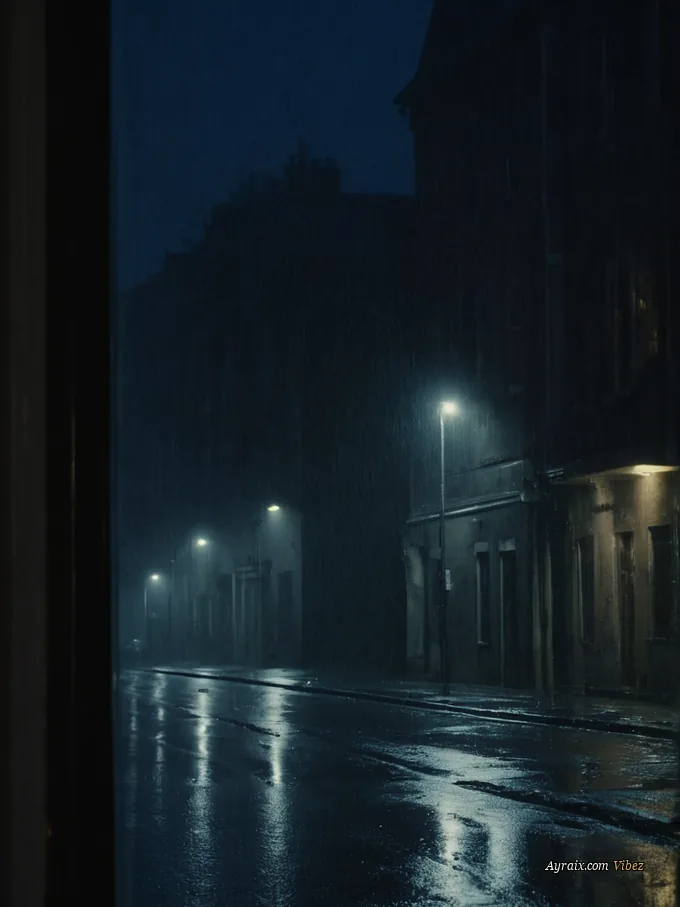
- Heavy coated silk in the rainExpensive clothing worn through bad weather. The luxury never protects him from anything.
- Crying over spilled milkA dismissive phrase taken seriously — grief over something everyone else says he should be past.
- Nobody loyal to the snakeOne reading: a warning about what betrayal costs the betrayer. Another: nobody stays once they see it. Both stay open.
Verse one
- Attic full of dust, storm outsideShelter that isn’t comfort. The weather outside matches the weather inside.
- Found a little boxThe discovery the whole song hangs on — and a flash of pride at how far he came, which curdles immediately.
- Laughing back in seventeen, versus designer worn to stay unseenThe comparison at the heart of the verse. Broke and visible then; wealthy and hiding now.
- On his side when the pockets bledLoyalty during the lean years, hostility once there was something worth taking.
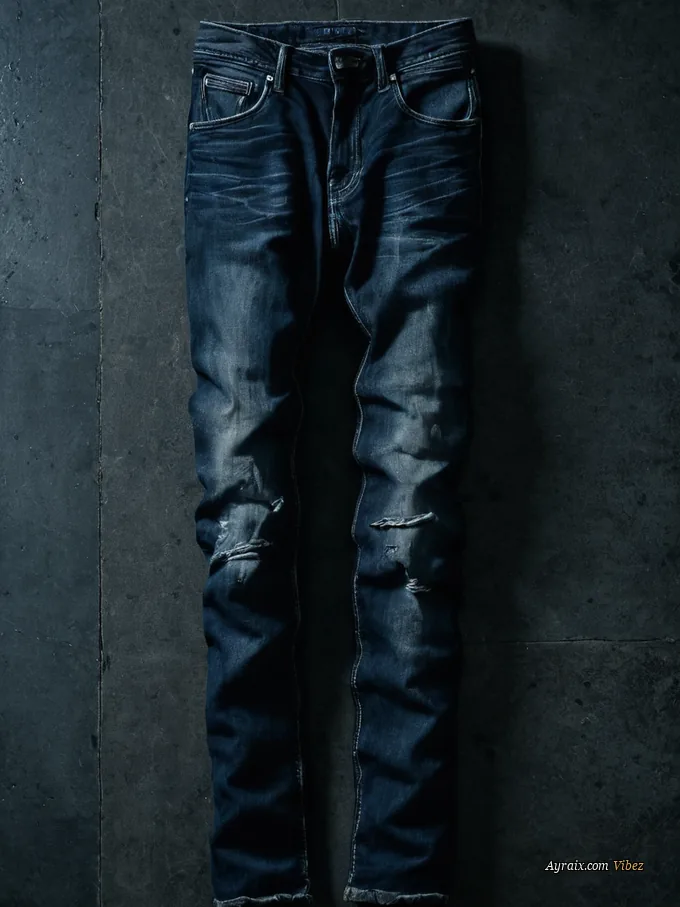
- Bleeding through the denim in a ghost townCoping as maintenance rather than celebration, in a place emptied of everyone he knew.
- Money got big but the heart got stillThe thesis in eight words. Both halves are true and only one of them was the goal.
Verse two
- Tore the corner off, the face turned grayDamaging the photograph and the memory in one gesture. Colour leaving the print is colour leaving the person.
- Designer boots in the rainy mudExpensive things dragged through the actual world. Status does not survive contact with what happened.
- Thicker than water, but you spilled the bloodThe proverb inverted. The bond that was supposed to be unbreakable is the one that broke.
- Let it burn real slowNumbing on purpose, and taking time over it, while the memories run.
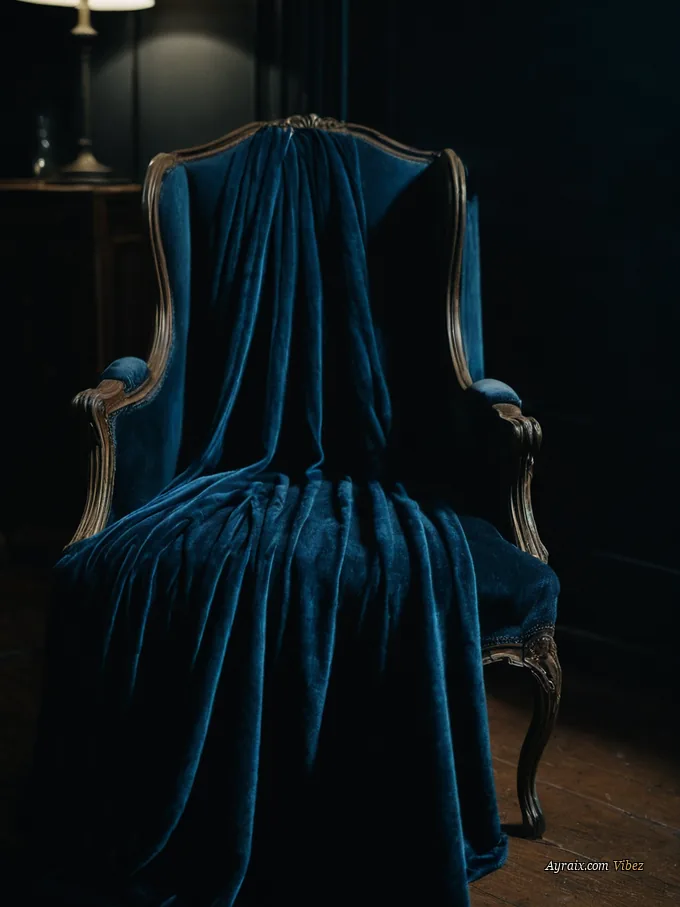
- Alone in velvet clothesThe closing image: total financial success and total isolation, in the same breath.
Outro
- Rain falling, faded outThe track dissolves back into the weather it opened with. No resolution offered and none earned — he is left upstairs with the dust.
How it was made
Basement stack, end to end
Written, produced, cut and rendered in-house. No stock footage and no licensed imagery — every frame was generated for this song specifically, then graded into one continuous world so that twenty-one scene changes dissolve instead of cutting.
- Type — the full line sits dim and each word ignites on its own vocal onset. At this cadence one word at a time would strobe rather than land.
- Light — the glow is a real two-pass composite, so the words light the room behind them instead of sitting on top of it.
- Sync — every word timed against an isolated vocal stem. Speech models could not hear the intro ad-libs through the beat; separating the vocal first fixed it.
- Readability — every background was generated with dark empty space through the centre, and any frame measuring too bright behind the lyrics was darkened before it was ever used.