The grind
Work that leaves no record
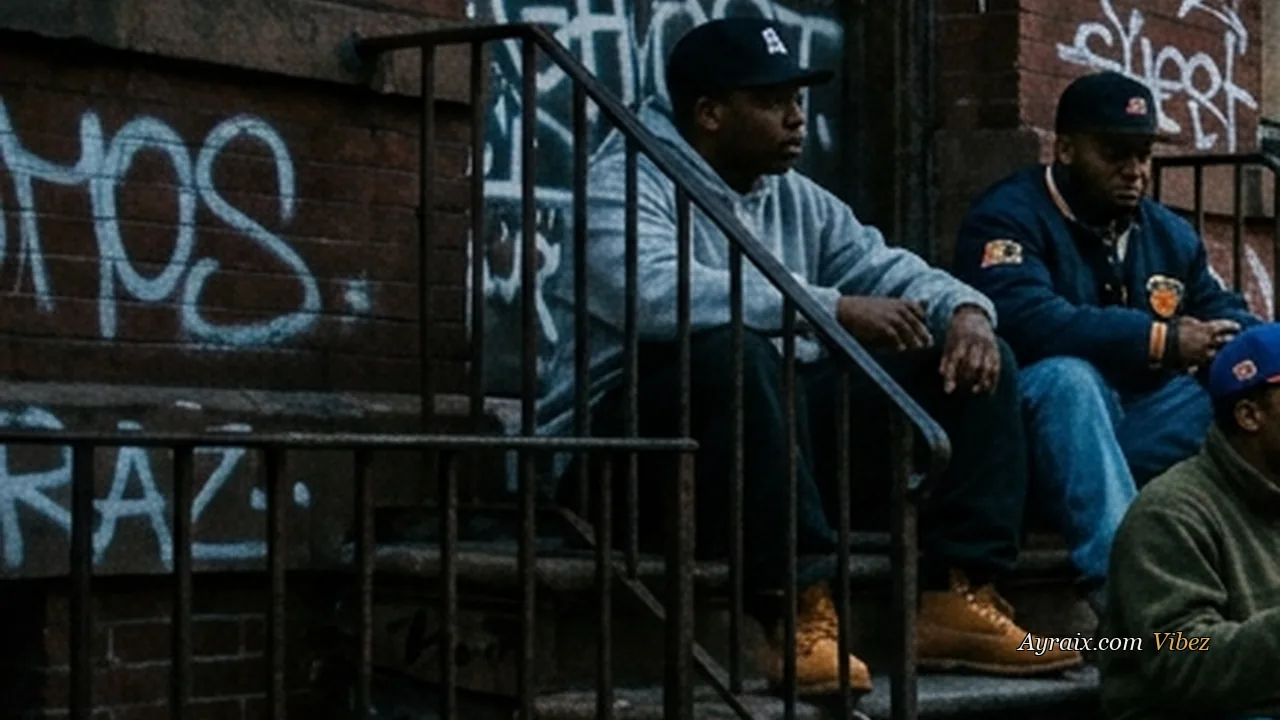
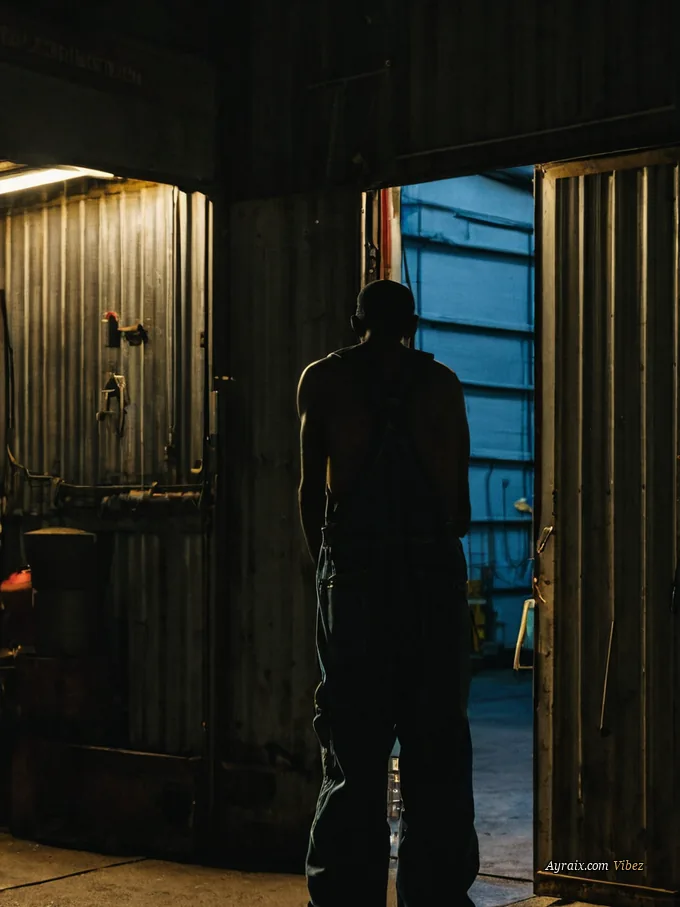
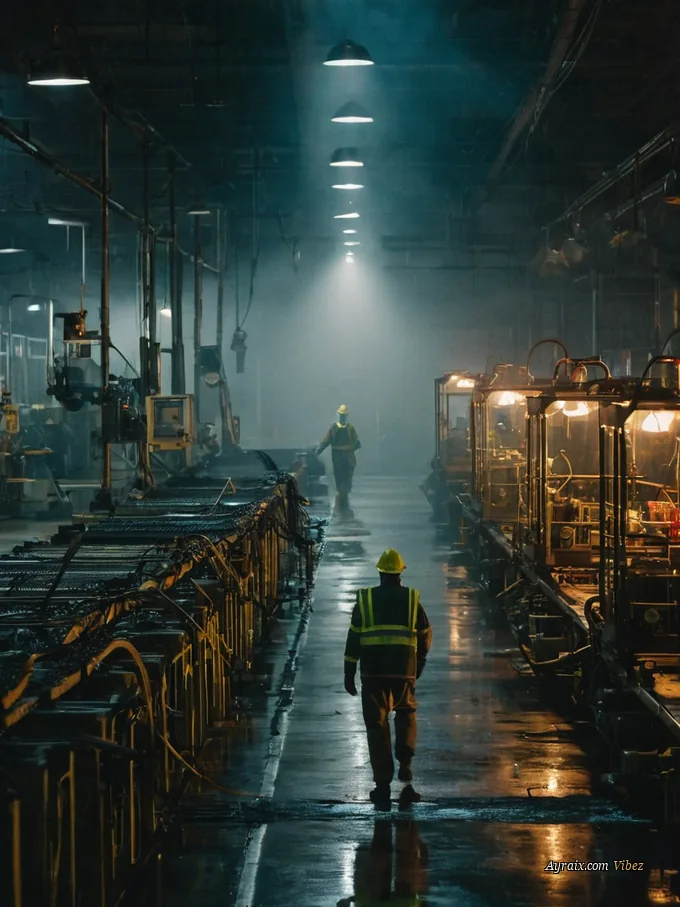
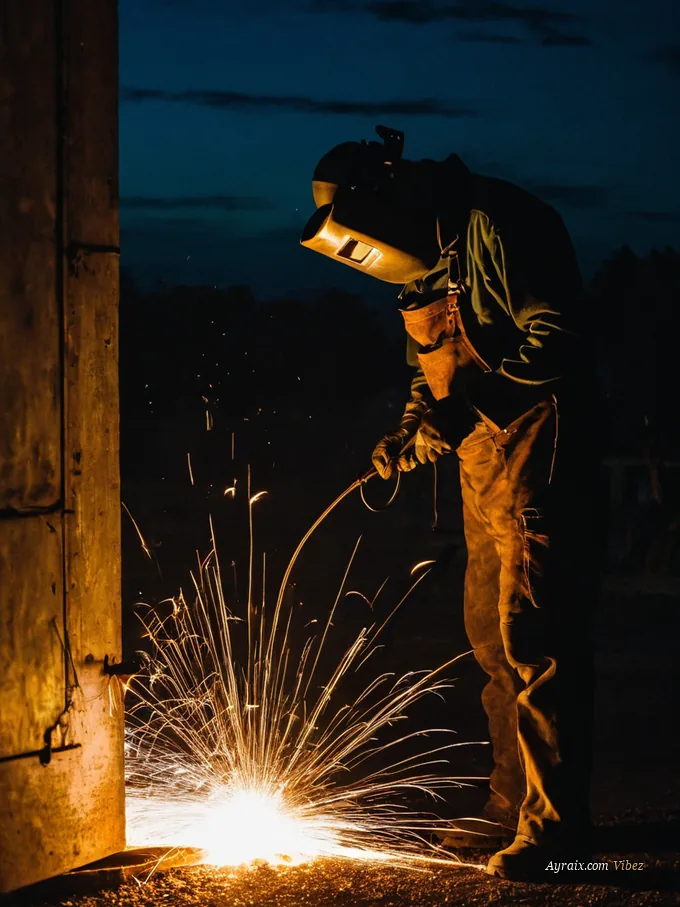
The first verse is an inventory of labour. Oil that will not wash out. Three shifts stacked back to back. Clocking on as the light goes and clocking off as it returns. None of it witnessed, none of it rewarded, all of it required.
What makes it land is the refusal to romanticise any of it. There is no montage here, no lesson being drawn. Just the work, listed, the way you would remember it.

The turn
The room changes before the person does
The chorus is built on a single observation: the walk into a room is the same walk it always was. What changed is everyone else. Conversation stops. People step aside. Attention arrives without being asked for.
The track never claims this is justice, and it never quite celebrates it either. It notices it. The satisfaction in the delivery is real, but so is the edge underneath — because the same people who move aside now are the ones who did not before.
Three shifts to the top floor.
The sound
Bass you feel through the floor
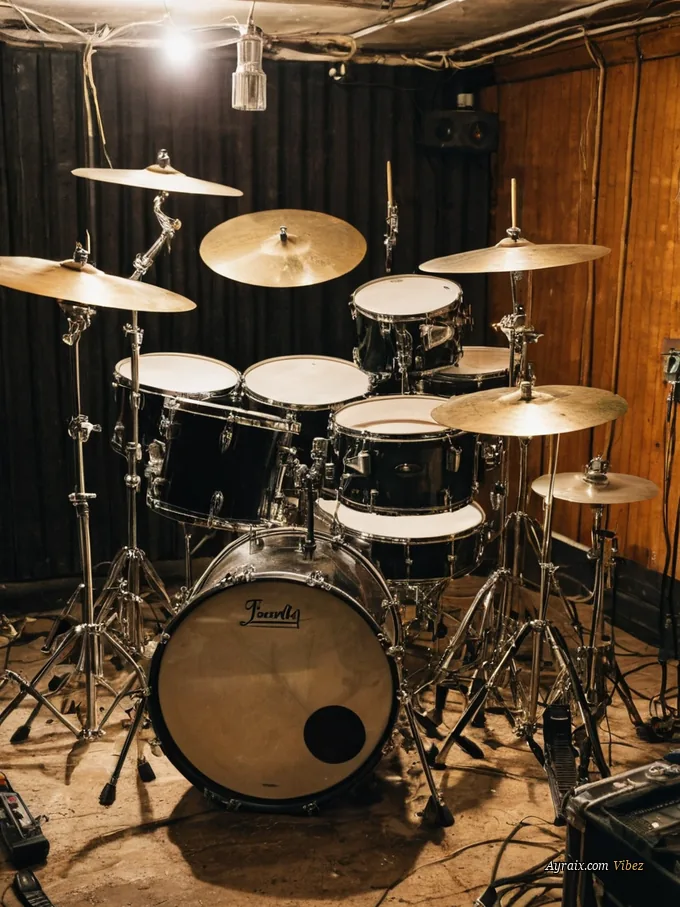
The production is deliberately physical. Heavy low end, basement drums, speaker cabinets doing more work than any melody. It is music built for a room with bad acoustics and a good system — the kind of place the song is actually set.
That choice does the storytelling as much as the words do. The record sounds like where it came from, not where it ended up.
The second verse
Growth measured in what it came from
Where the first verse lists the work, the second measures the distance travelled — and insists on keeping both ends visible. Cleaned-up boots that were filthy. An oak that came out of poor ground. Nothing disowns where it started.
That is the discipline of the writing: every image of success is anchored to the version of it that came before. The record never lets you forget the first half while listening to the second.
The outro
Top floor, same block
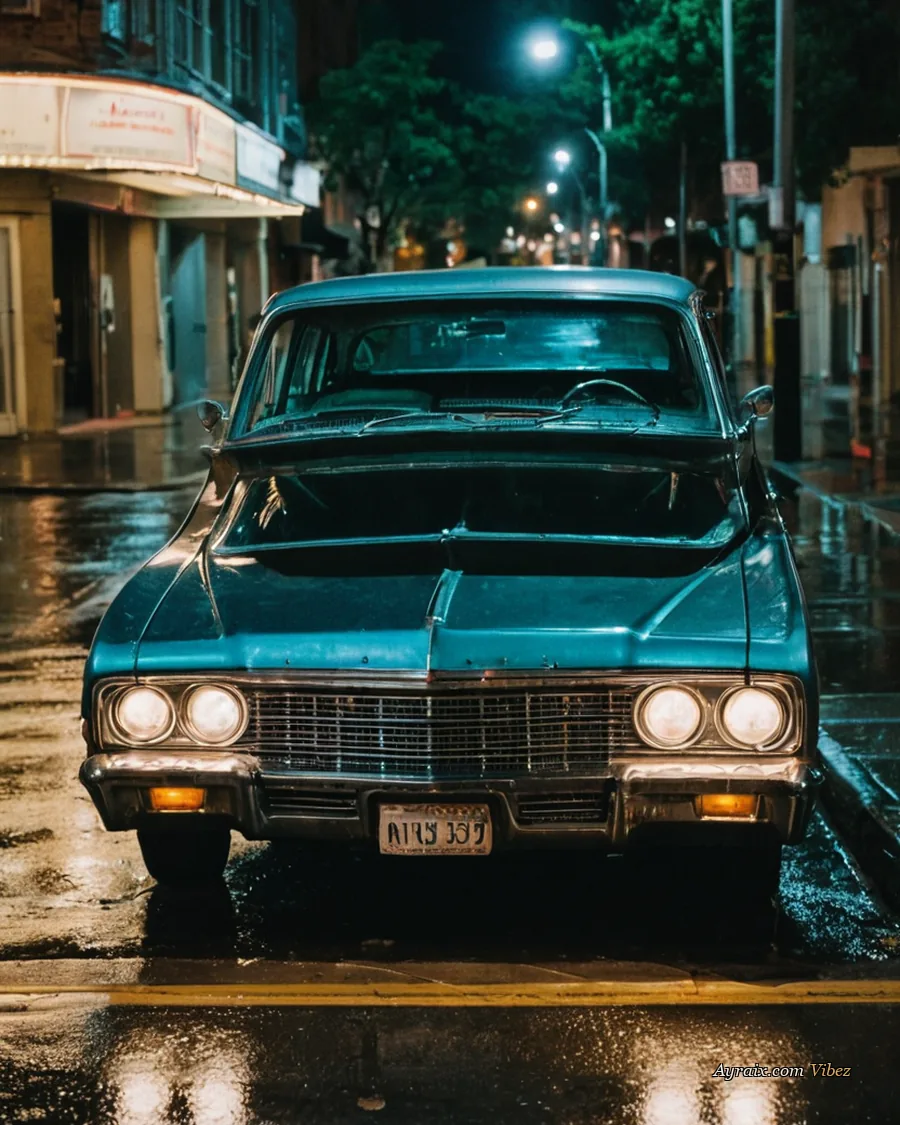
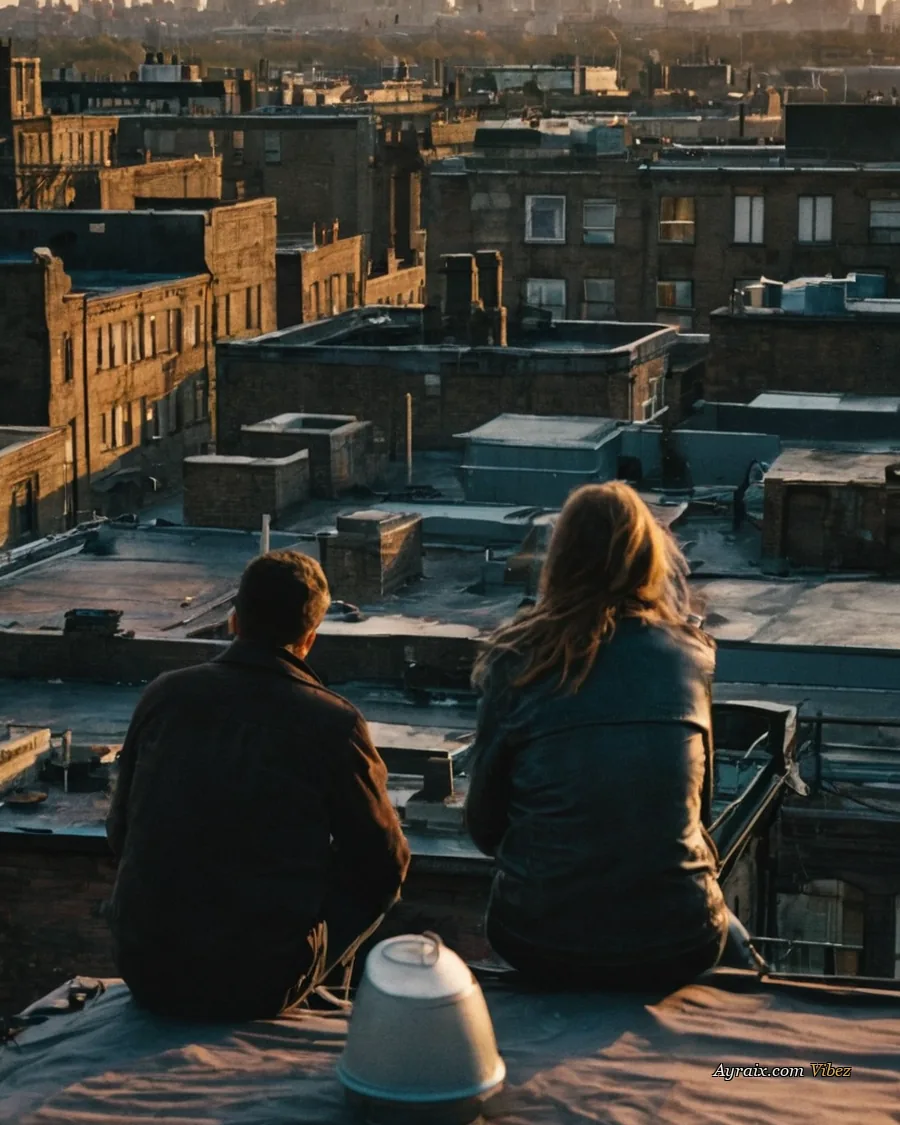
It ends where it began, geographically. Nobody moved away. The block did not change — the position in it did. That is a deliberately small victory, and the song is better for how modest it keeps it.

How it was made
Basement stack, end to end
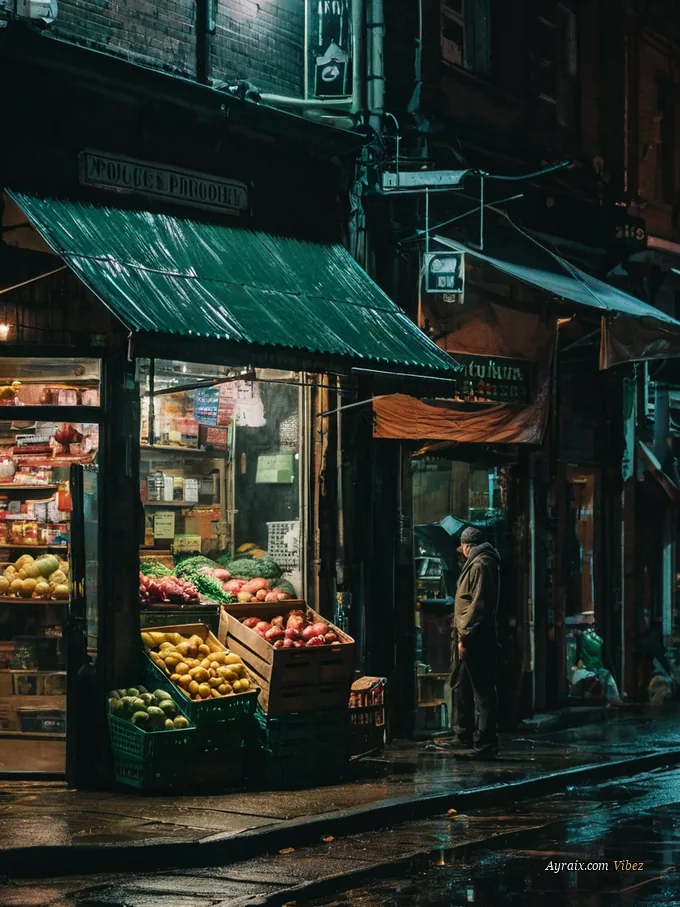
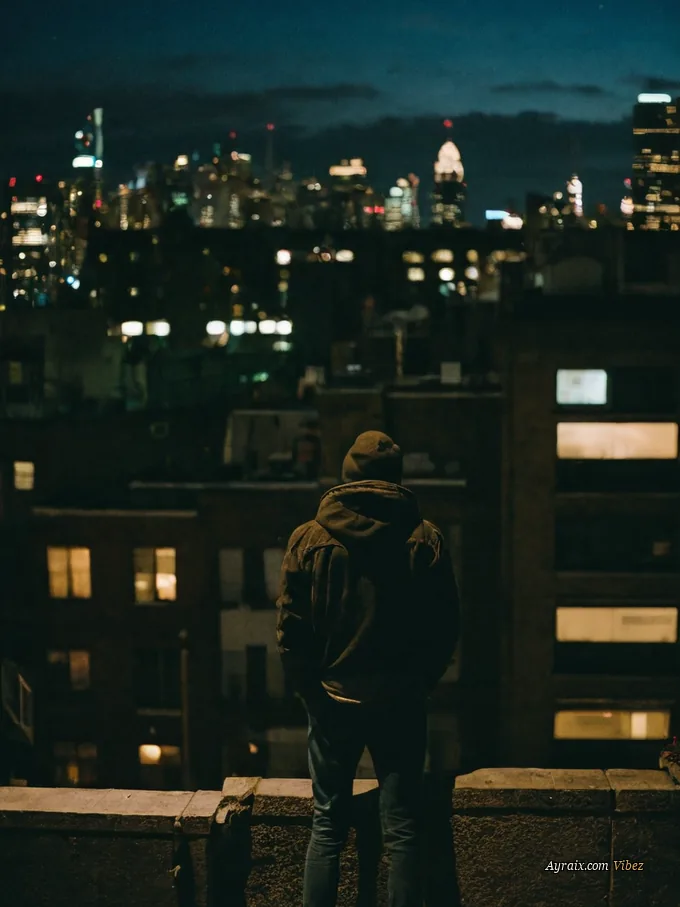
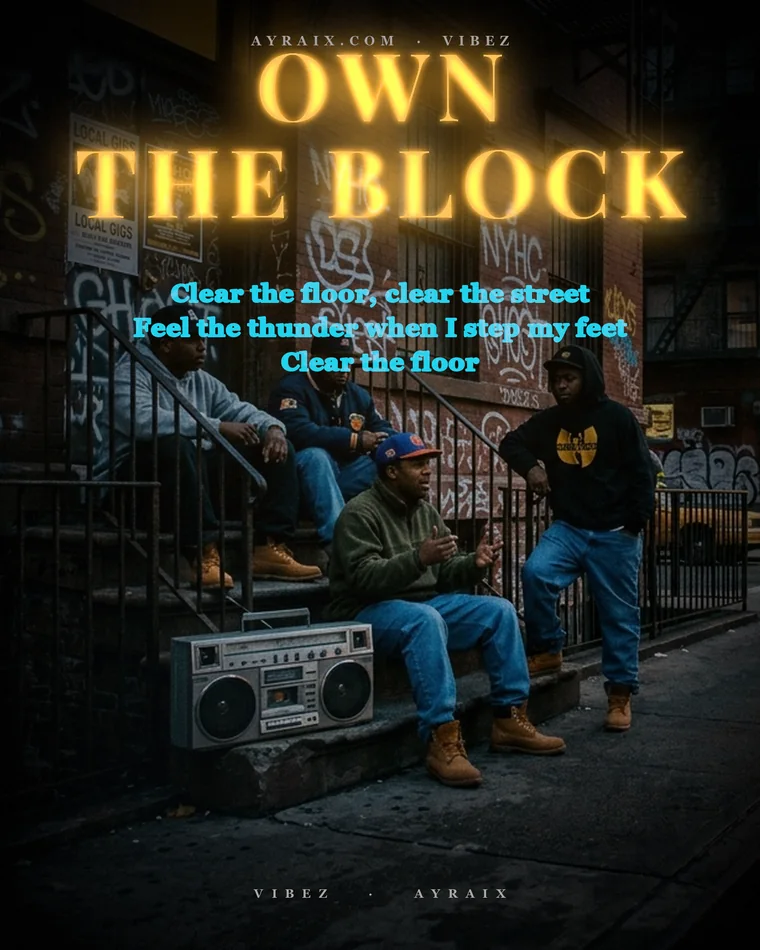
Written, produced, cut and rendered in-house. No stock footage and no licensed imagery — the backgrounds were generated for this song specifically and graded into one continuous world, so every scene change dissolves rather than cuts.
- Type — the full line sits dim along the bottom and each word lights on its own vocal onset. Centred type would have fought the photograph; at the foot of frame the picture keeps the screen.
- Legibility — a soft dark halo is punched into the image behind each glyph. A drop shadow would not work, because the type is composited with a maximum and dark pixels always lose.
- Sync — every word timed against an isolated vocal stem. The mix had to be transcribed separately to catch that the recording carries a third chorus the written sheet does not.
- Edit — an eighteen-second instrumental passage was removed on a nine-bar boundary at 125 BPM, so the groove runs straight through the join.