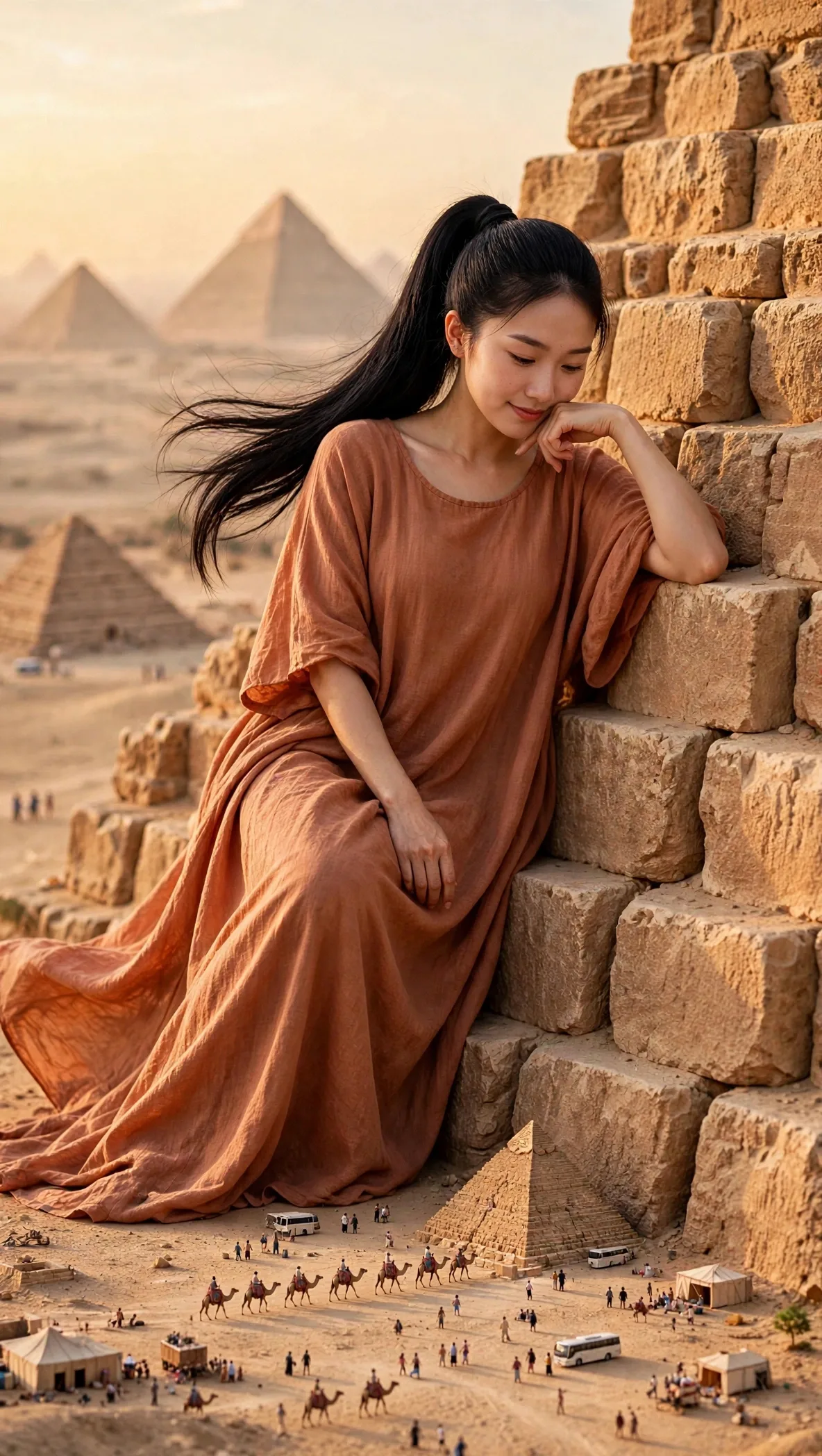
The smallest giant at Giza
Menkaure rises roughly 200 feet, but its unfinished lower casing made it the center of a modern preservation battle.
Tiny Zara follows the granite trail at Giza—and finds out why leaving one pyramid unfinished became the victory.
The full Tiny Travel episode, in sync with YouTube.
The January 2024 proposal was called a “project of the century.” Its goal was to study and reinstall granite blocks around the smallest of Giza’s three main pyramids.
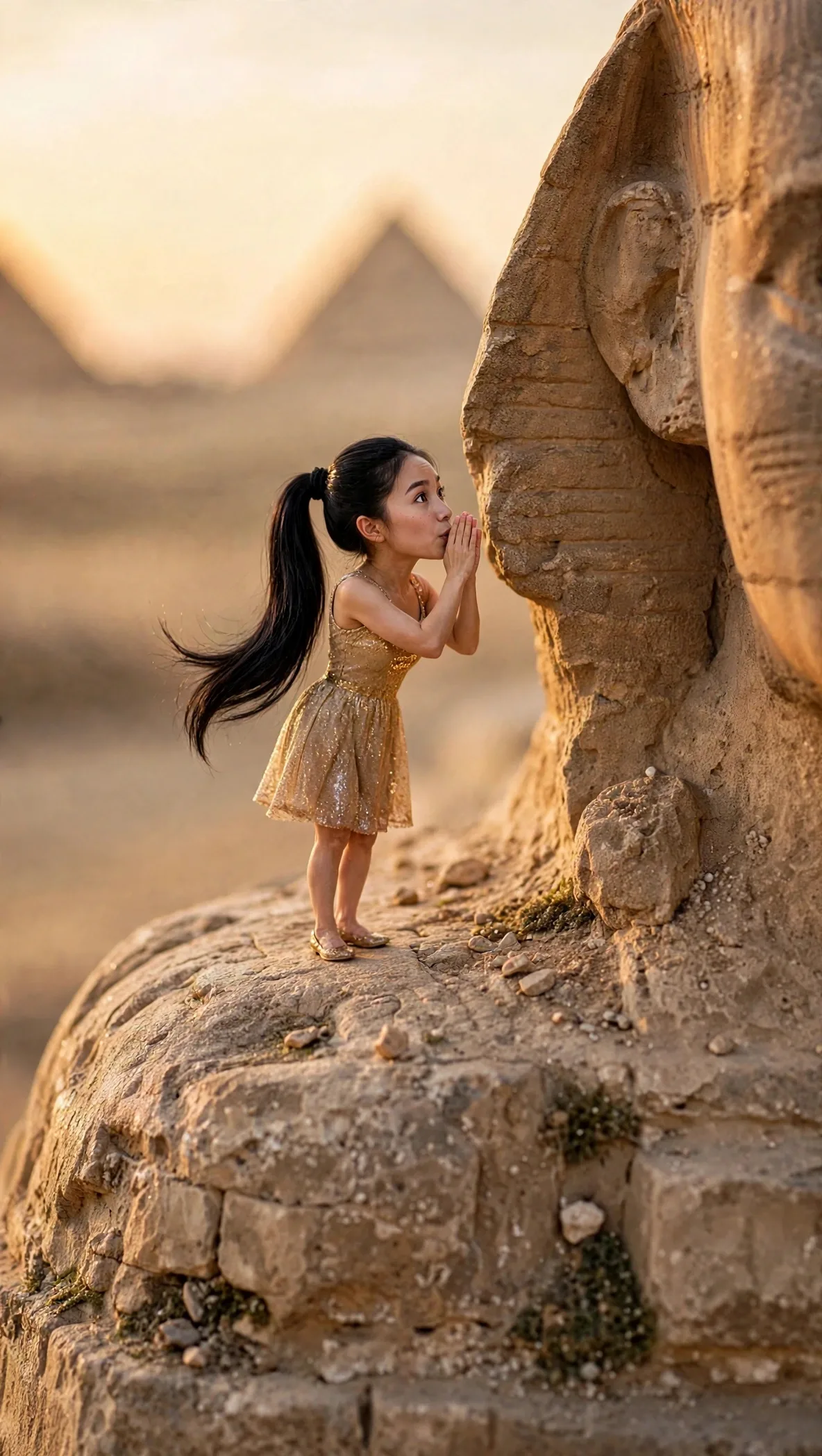
The committee did not reject conservation. It rejected reinstalling blocks without enough evidence to know their original positions.
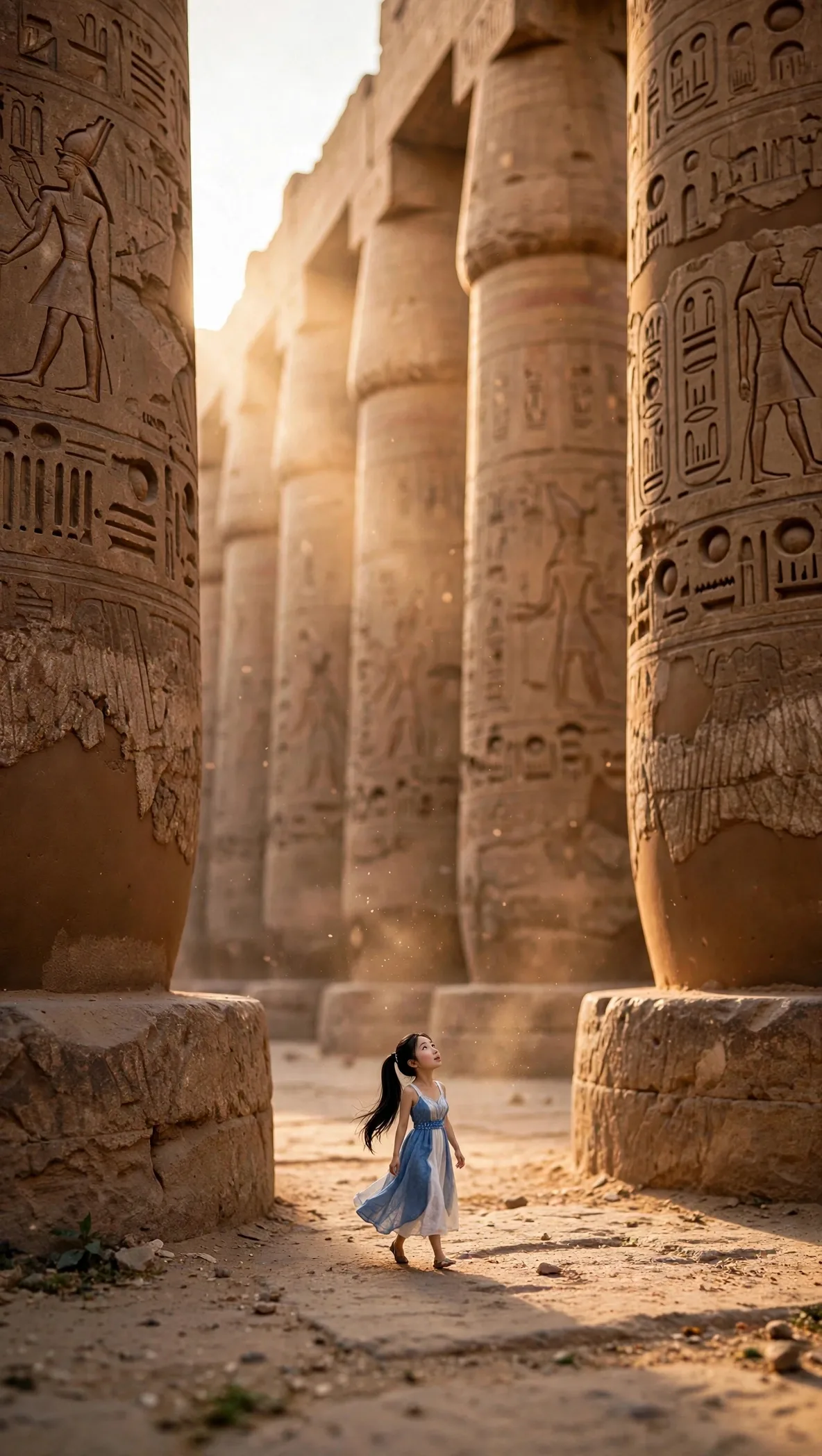
The scattered stones could not be confidently matched to their original places on the pyramid.
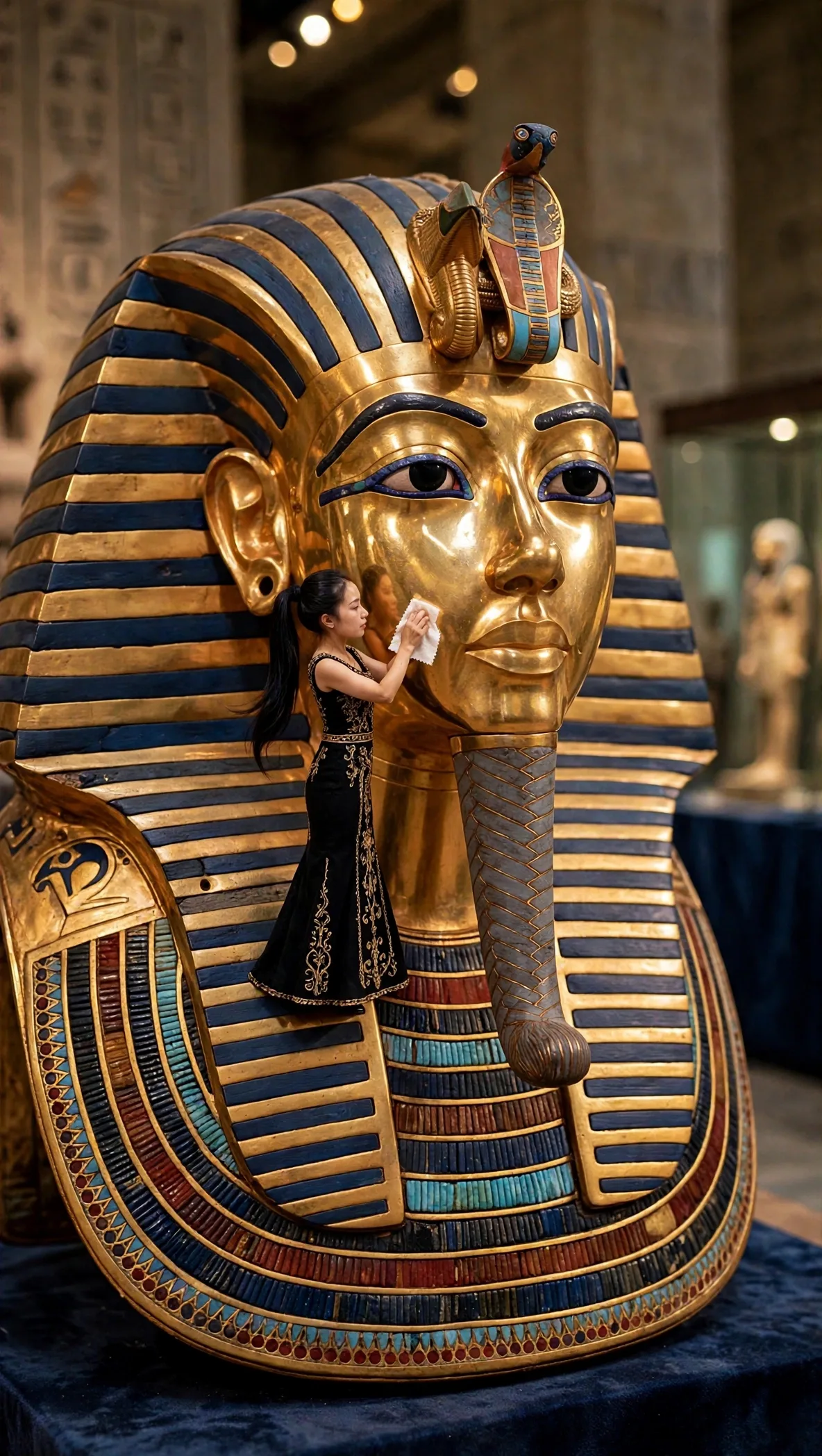
The review favored archaeological documentation and conservation over a speculative rebuild.
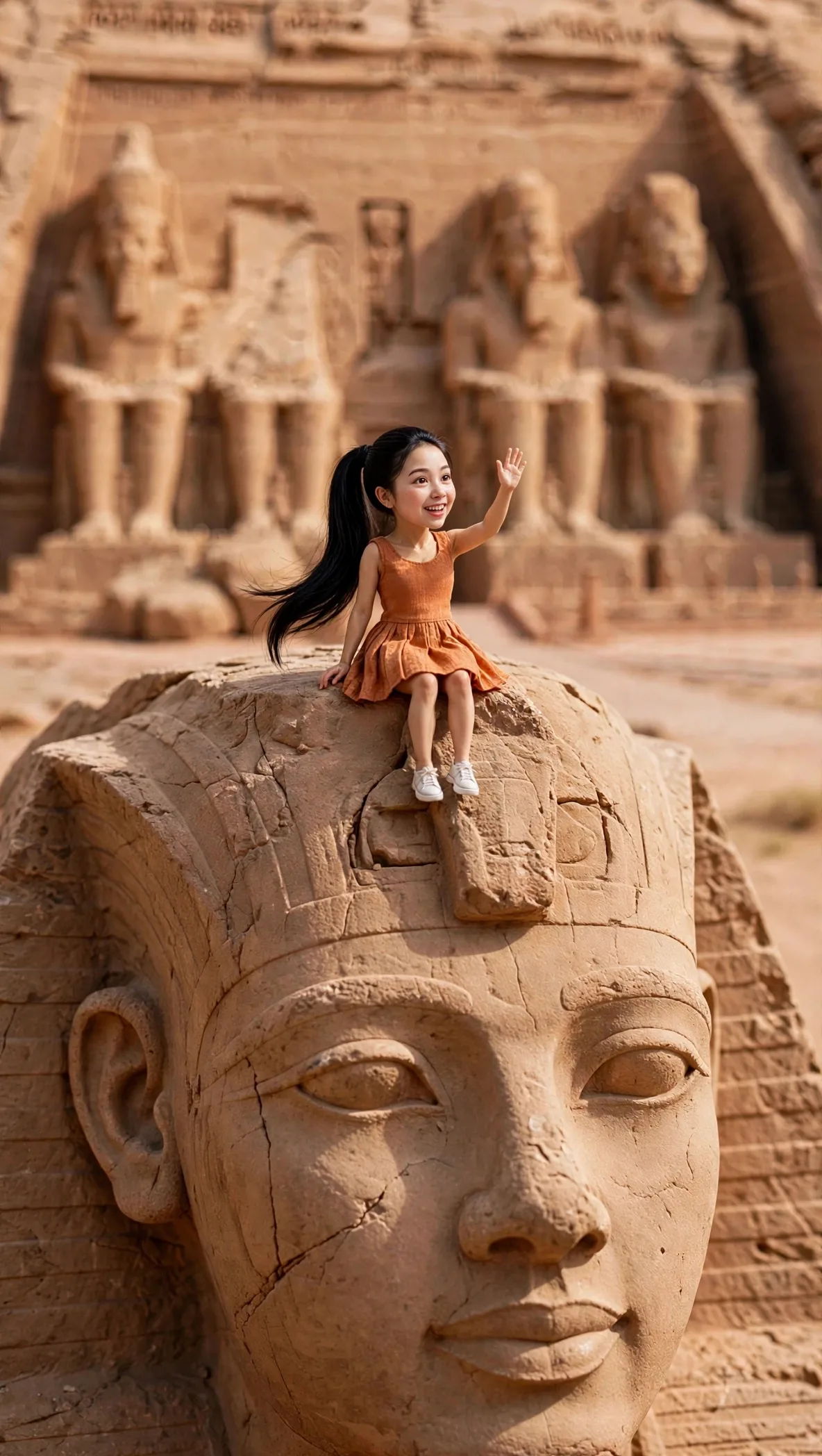
Critics warned that attaching blocks with modern materials could change or harm the ancient structure.

Leaving the surviving casing and fallen blocks as evidence preserves the difference between ancient work and modern guesswork.
“The unfinished pyramid was finished by being left alone.”Zara’s Giza field note
Zara moves from pyramid stones and temple columns to koshari, lanterns and a Nile sail. Her full face stays visible in every frame. Tap any photograph to open it.
YouTube stays the full episode. The 9:16 Reel opens on Instagram so nothing here is cropped or blank.
The proposal, remaining granite casing, archaeological concerns and committee decision.
The official review, concerns about block placement and recommendation to preserve the pyramid’s current state.
Not every missing stone is an invitation to rebuild.
Sometimes restraint is the real monument.