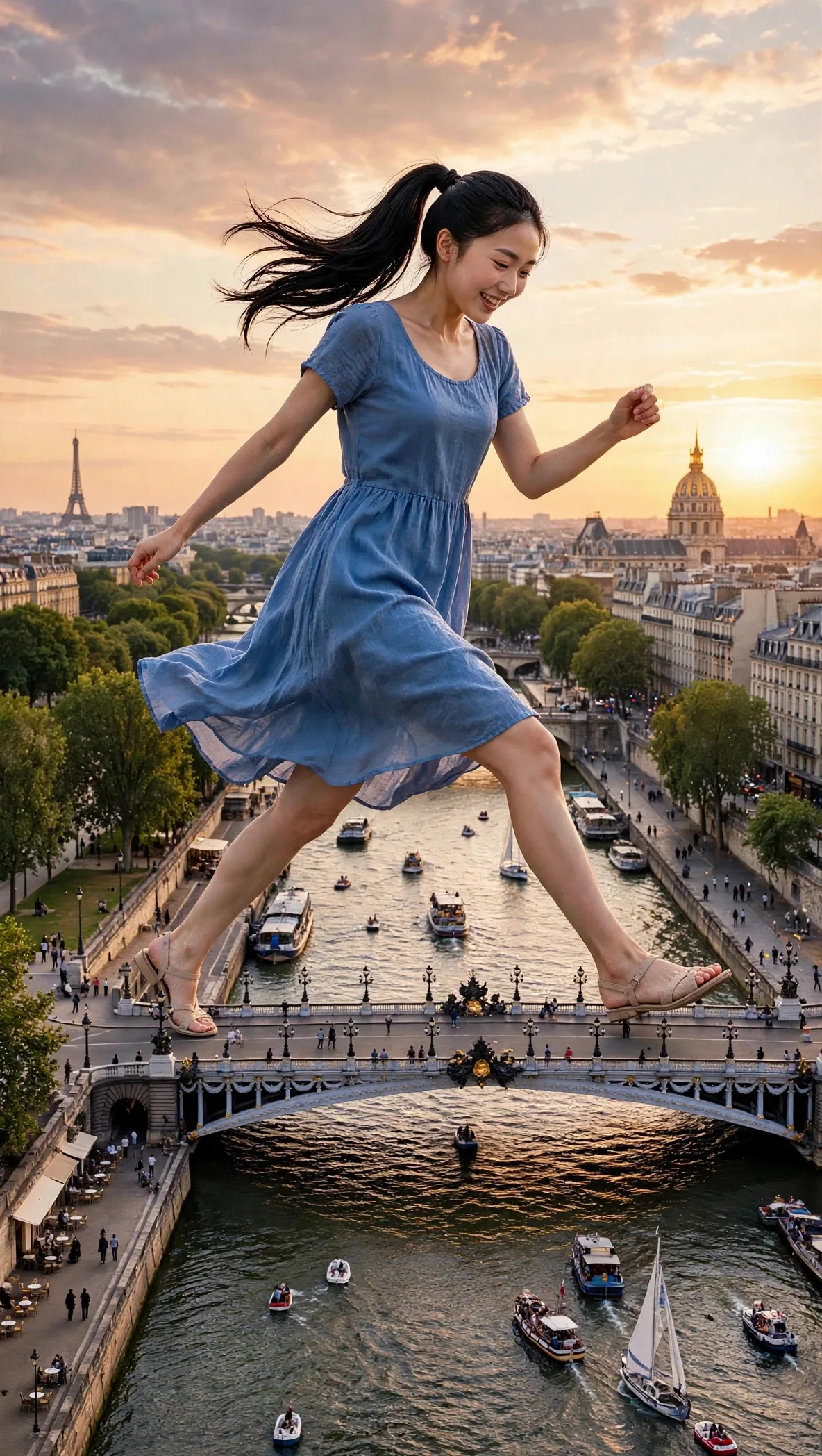
The river at the center of Paris
Once too polluted for a legal swim, the Seine became the city’s boldest comeback story.
The Seine swims again. Tiny Zara follows Paris’s river from a century-old ban to the day the city opened the water again.
The full Tiny Travel episode, in sync with YouTube.
Then the city rebuilt the river’s hidden systems—sewers, overflow controls and a vast rainwater basin—until three public bathing areas could welcome swimmers back.
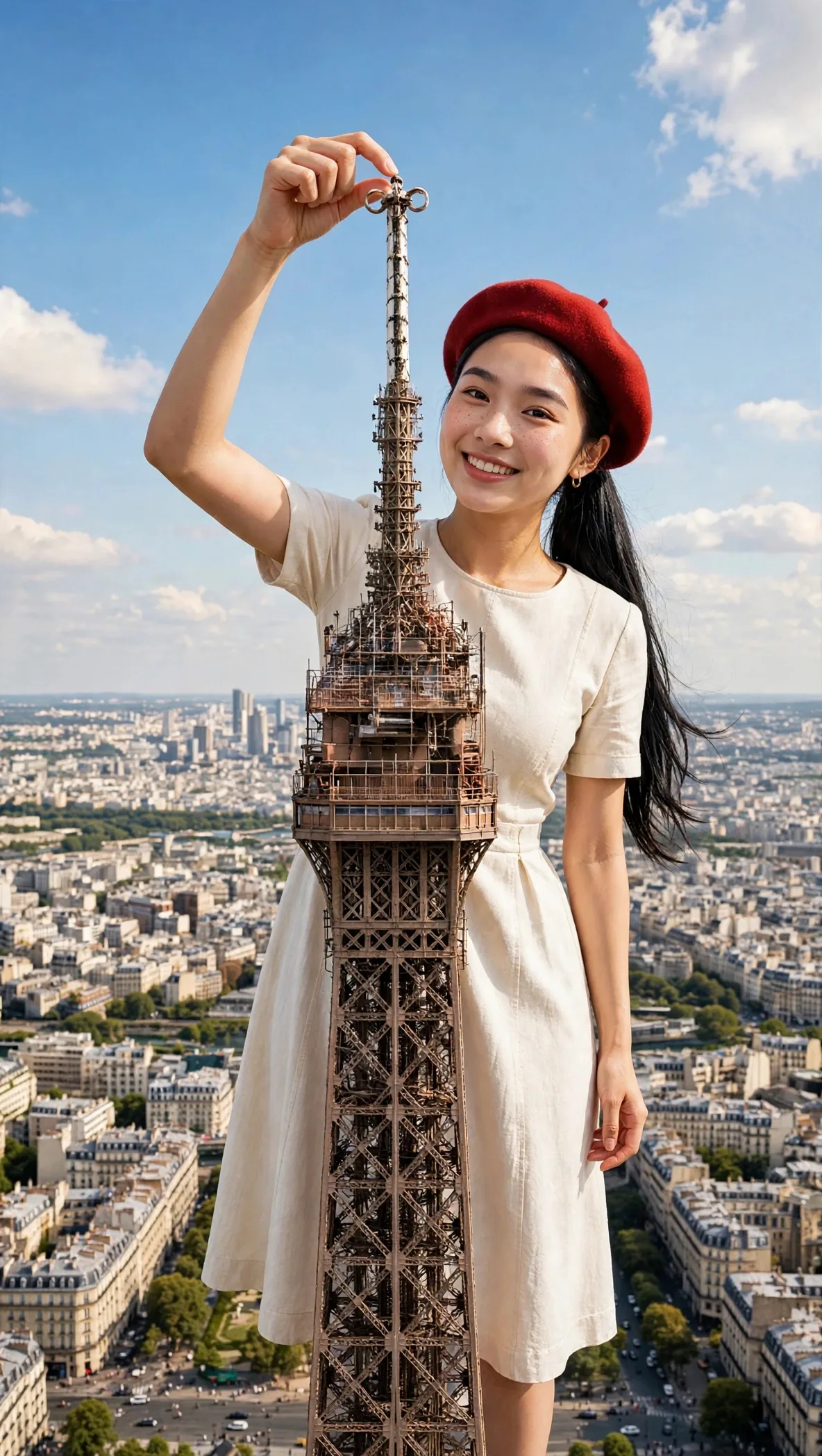
The postcard view stayed familiar. Under the streets, Paris built the infrastructure that could keep sewage out of the river during heavy rain.

Swimming was outlawed in 1923 as pollution made the Seine unsafe. The rule lasted for more than 100 years.

The Austerlitz storage basin can hold 50,000 cubic metres of stormwater before it reaches the river.

The Seine hosted open-water events in 2024, putting the cleanup—and its limits—under a global spotlight.

Grenelle, Bras Marie and Bercy opened in July 2025, with daily access still governed by weather and water-quality checks.
“A hundred years ago, this was a sewer with a view. Today? Bring your swimsuit.”Zara’s Paris field note
Her red-beret Paris look travels from the Eiffel Tower to Montmartre, the Louvre, Notre-Dame and the river that ties the whole city together. Tap any image to open it.
YouTube stays the full episode. The 9:16 Reel opens on Instagram so nothing here is cropped or blank.
The three bathing sites, opening date, access rules and the city’s cleanup programme.
The 1923 ban, €1.4 billion programme, 50,000 m³ basin and early swimmer count.
Paris changed the river beneath the postcard.
Now the Seine belongs to swimmers again.